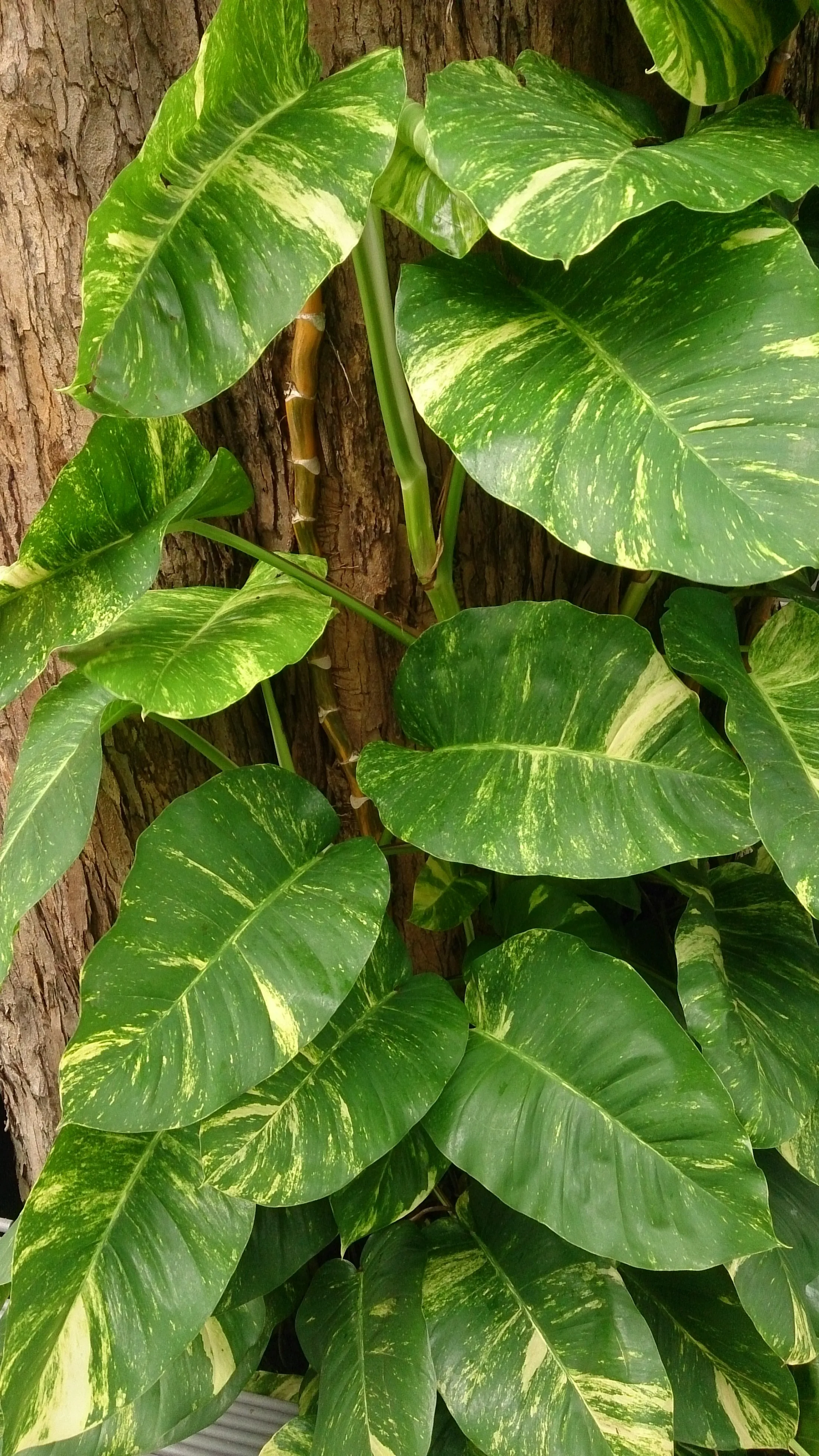
Pothos (Epipremnum aureum)
Epipremnum aureum
Care guide and energetic properties for Pothos — the unkillable trailing beauty.
Low to bright indirect
When top inch is dry
Average household
15-30°C
Why Pothos Is the Perfect Starter Plant
Pothos is one of the most forgiving houseplants you will ever meet. It tolerates low light, irregular watering, and less-than-ideal humidity — all while producing glossy, heart-shaped leaves on trailing vines that can reach several metres. But forgiving is not the same as needing nothing. Understanding what Pothos is — and where it came from — makes it easier to keep looking its best.
Light
Pothos evolved as an understory plant in the Solomon Islands, where it climbs trees to reach better light. Indoors, it handles a wide range from low indirect to bright filtered light. In lower light, it survives but grows more slowly and the leaves come in smaller.
Variegated cultivars like Marble Queen or Golden Pothos have a specific biological reason for needing more light than solid green forms. Variegation means sections of leaf tissue have reduced chlorophyll — the pigment responsible for capturing sunlight and driving photosynthesis. Less chlorophyll means lower photosynthetic output per leaf, which means the plant needs brighter conditions to produce sufficient energy. In dim corners the plant compensates by producing more chlorophyll-rich tissue, and the variegation gradually fades to solid green.
Avoid direct afternoon sun — the thin leaves scorch easily.
Watering
Pothos belongs to the aroid family, whose ancestors evolved in flood-prone lowland tropical environments. Over time, they developed thick, waxy roots that could withstand temporary saturation — which is why pothos roots so readily in water and why cuttings can live in a jar for months. But the same roots that tolerate flooding need oxygen to function in soil. Soil that stays soggy long-term suffocates the root system and creates conditions for root rot.
Allow the top inch or two to dry out before watering — roughly once a week in summer, every ten to fourteen days in winter. Drooping leaves signal thirst and the plant recovers quickly after watering. Yellowing leaves, especially on the lower vine, usually mean the soil is staying too wet.
Humidity and Temperature
Average household humidity is fine for Pothos. It appreciates the naturally higher moisture levels in kitchens and bathrooms, but doesn’t struggle in standard rooms. Keep between 15 and 30 degrees Celsius and away from cold draughts.
Propagation
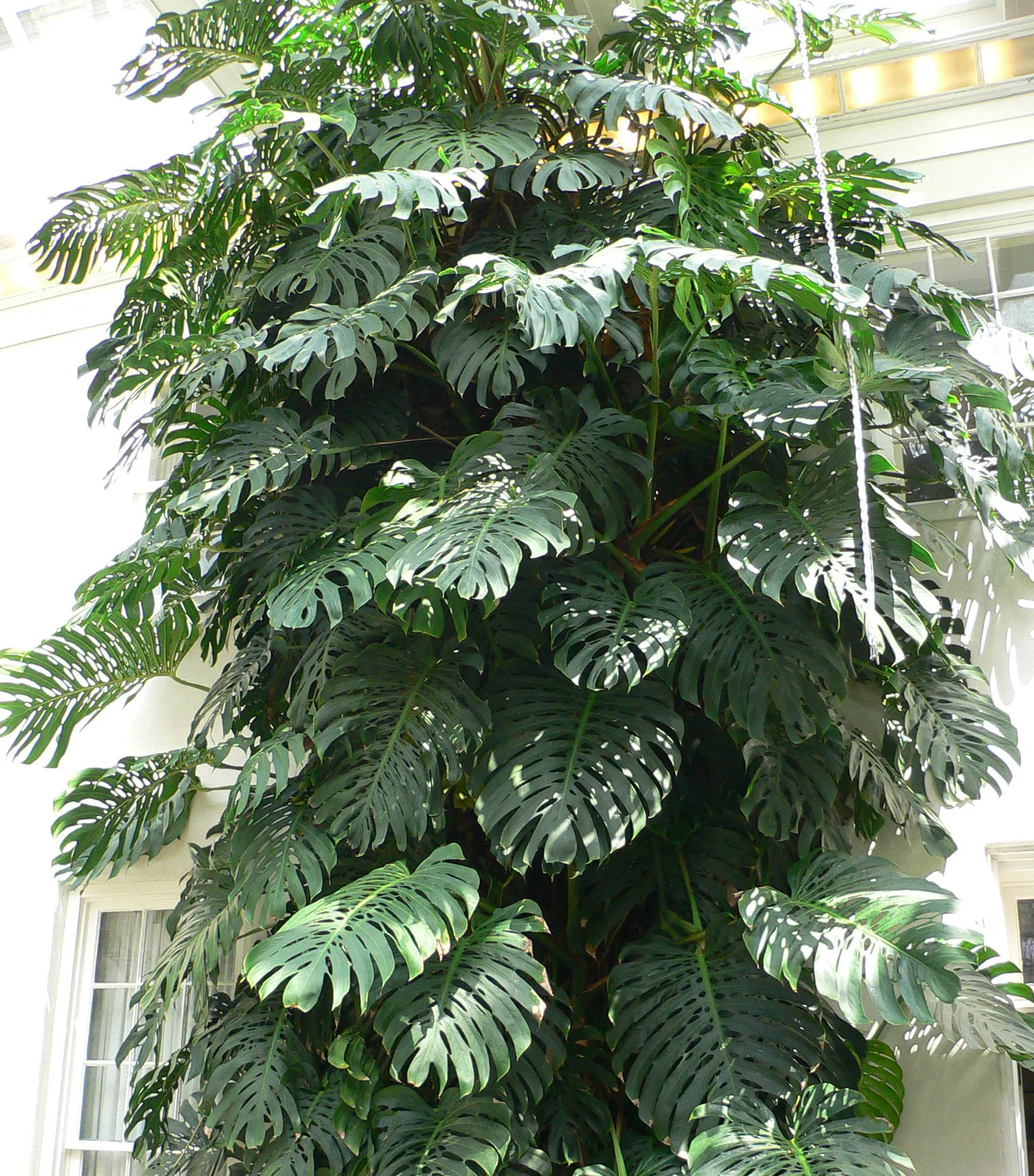
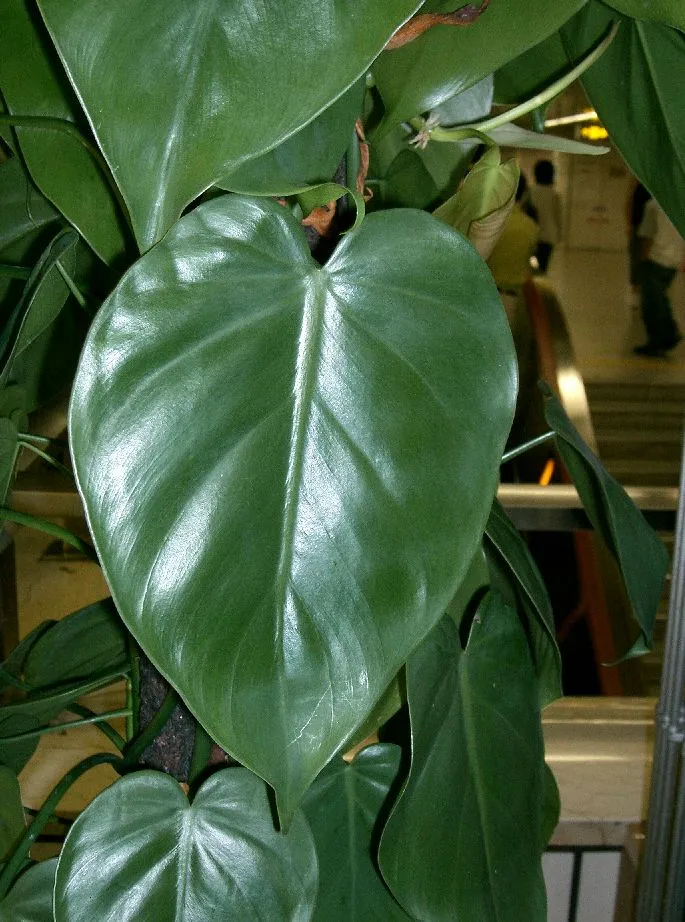
Snip a stem just below a node — the small bump where roots will emerge — and place it in a jar of water. Roots typically appear within two weeks. Once they reach a few centimetres, transfer to moist potting mix. The aroid flood-adaptation biology that makes water-rooting easy in philodendrons and monsteras applies equally here.
Feeding
Half-strength balanced liquid feed once a month during the growing season. Over-fertilising causes salt buildup and brown leaf tips — less is genuinely more.
A Note on Toxicity
Like all aroids, Pothos contains calcium oxalate crystal raphides — needle-like fibres that cause severe oral irritation, swelling, and vomiting if ingested. Keep away from pets and young children who may chew the leaves.
Common Issues
- Yellowing leaves — Overwatering or natural leaf turnover on older growth.
- Leggy vines with sparse leaves — Insufficient light.
- Brown tips — Low humidity or fertiliser buildup. Flush soil with plain water periodically.
- Fading variegation — Too little light; the plant is producing more chlorophyll to compensate.
- Mealybugs — Wipe with a cotton swab dipped in rubbing alcohol.
Pothos is forgiving but not effortless. Understand its biology and it will reward you with years of fast, lush growth from almost any spot in the home.
Growing More Pothos (Epipremnum aureum)
Pothos (Epipremnum aureum) can be propagated by stem cuttings or water rooting. Step-by-step guides with the biology explained:
Troubleshooting Pothos (Epipremnum aureum)
If your Pothos (Epipremnum aureum) is showing yellow leaves, brown tips, drooping, root rot, leggy growth, or signs of pests — the troubleshooting hub has biology-first diagnosis guides for every common problem.
Go to troubleshooting hubDiscover the spiritual side of Pothos (Epipremnum aureum)
Pothos (Epipremnum aureum) resonates with Air energy, the Throat (Vishuddha) chakra, and is ruled by Venus. Explore the full energetic profile, ideal placement, and spiritual properties in the Mist collection.
View Energy Profile