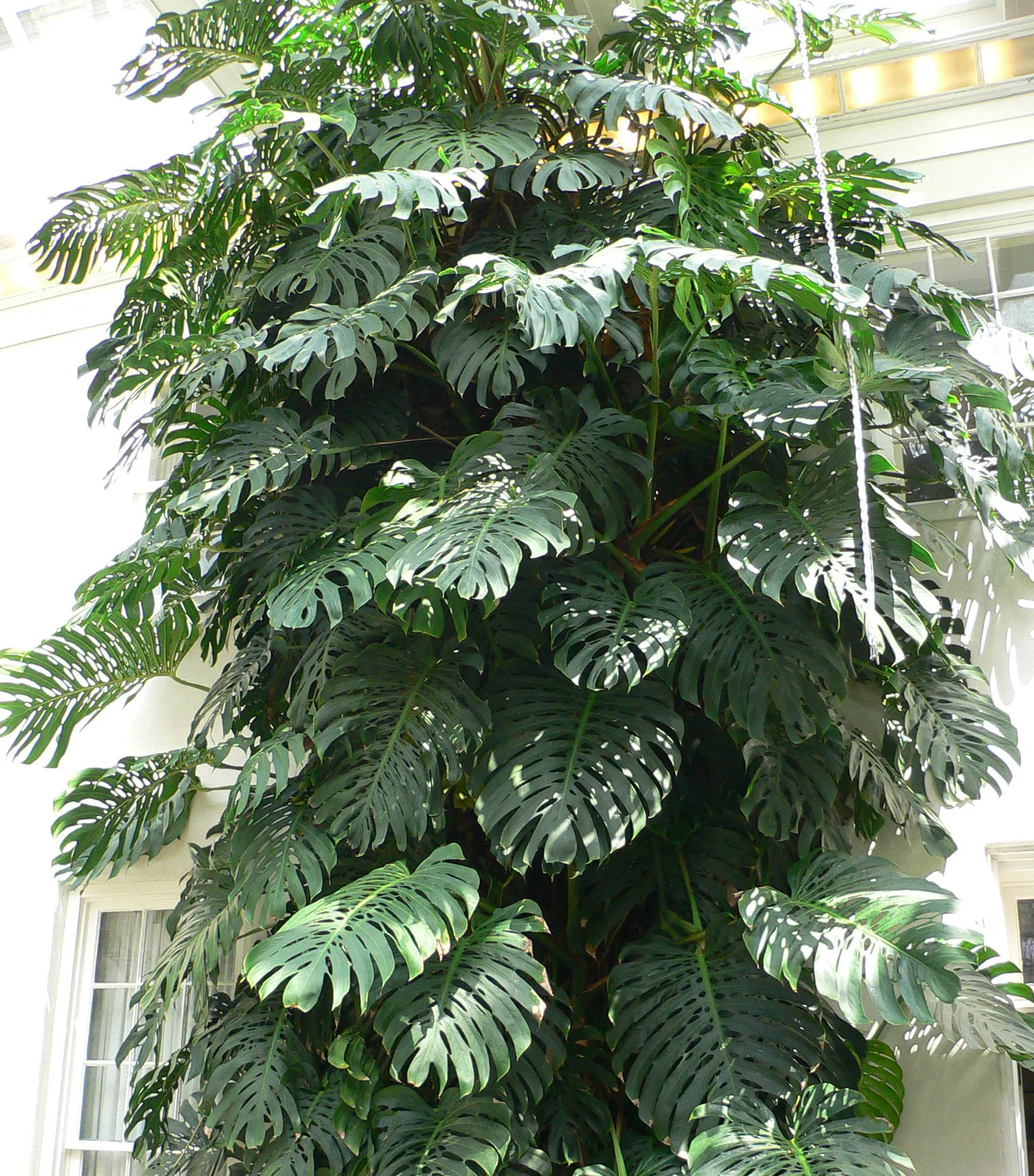
Monstera Deliciosa
Monstera deliciosa
The split-leaf Monstera is one of the most iconic houseplants on earth — dramatic, forgiving, and endlessly rewarding when given the light and space it deserves.
Bright indirect
Weekly
Above 50%
18–27°C
Light Requirements
Monstera deliciosa is a hemiepiphyte — it begins life on the forest floor and slowly climbs the trunks of tall trees as it matures. In that layered tropical canopy, it never receives direct sun; it lives on dappled, shifting light filtered through a ceiling of taller growth. That origin is everything when it comes to getting light right at home.
Indoors, bright indirect light is the sweet spot. A spot near a window where sunbeams are filtered through a sheer curtain, or bounced off a nearby wall, closely mirrors what the plant evolved to expect. Harsh midday sun falling directly on the leaves will scorch them — the plant simply hasn’t needed to build defences against it.
The fenestrations — those iconic splits and holes — are not a decorative accident. They are a direct response to light and energy. In low-light conditions, Monstera conserves energy by producing smaller, solid leaves; it doesn’t have enough to fuel the more complex, fenestrated growth. Move it into a brighter spot and you’ll see the difference in the next few leaves. If your Monstera is putting out solid, uncut leaves well into maturity, light is almost always the reason.
Giving the plant a vertical support — a moss pole or coir totem — also helps. It mimics the plant’s natural climbing habit and encourages larger, more dramatically split foliage as it grows upward.
Rotate the pot a quarter turn every week or two if you notice the stems leaning toward the window.
Watering
Monstera roots have an unusual evolutionary history. Their aroid ancestors developed in lowland environments that flooded regularly, and over time the plants built thick, waxy roots and leaves capable of resisting an overwhelming intake of water all at once. That resilience is exactly why Monstera can root so readily in a glass of water — but it’s also why the roots need oxygen to thrive in soil.
Think of Monstera roots as oxygen addicts. Soil that stays wet for too long suffocates them, cutting off the airflow the roots depend on and creating the conditions for rot. Consistency and drainage matter far more than any fixed schedule.
Water thoroughly — until it flows freely out the drainage holes — but only once the top quarter of the soil has dried out completely. In spring and summer that often works out to roughly once a week; in winter, every ten to twelve days is usually enough. Always tip away any water sitting in the saucer after twenty minutes.
- Yellow leaves + soft stems → the roots are suffocating; ease back on watering and check drainage
- Crispy brown tips → the air is too dry, or watering has been inconsistent
- Drooping leaves → usually thirst; check the soil and water if the top inch is dry
Humidity and Temperature
Monstera is happiest in humidity between 50% and 70%. When the air is too dry, the plant loses water vapour through its leaves faster than its roots can replace it — the result is those characteristic brown, crispy edges or leaves that begin to curl inward.
A humidifier placed nearby is the most effective solution. A pebble tray filled with water beneath the pot helps too, as does grouping the Monstera with other plants to create a more humid microclimate. Misting is less reliable — it raises humidity briefly but the effect doesn’t last.
Keep it away from cold draughts, air conditioning vents, and radiators. Growth slows noticeably below 15°C, and sustained cold will cause visible leaf damage.
Feeding and Soil
Feed with a balanced liquid fertiliser at half strength every two to four weeks during the growing season (spring through early autumn). Hold off in winter when growth naturally slows.
Soil composition is one of the most important and most overlooked parts of Monstera care. Because the roots need oxygen, a dense, compacted mix is actively harmful — it holds moisture too long, eliminates the air pockets the roots rely on, and suffocates the root system. A pure coco peat mix has the same problem.
The right mix is chunky and open: two parts peat-free compost, one part perlite, and one part orchid bark. Water poured into a well-structured mix should flow through the pot within seconds, leaving the roots moist but still able to breathe. That’s the test worth applying.
Repotting
Repot every one to two years, moving up one pot size at a time. Spring is the best window. Gently tease apart any circling roots and settle the plant into fresh mix, firming lightly around the base.
If your Monstera has an aerial root heading downward, tuck it into the new pot rather than trimming it — it will anchor the plant and contribute to nutrient uptake over time.
Common Problems
| Symptom | Likely cause |
|---|---|
| Yellow lower leaves | Natural ageing, or overwatering if multiple leaves at once |
| Brown crispy edges | Low humidity or inconsistent watering |
| No fenestrations on new leaves | Insufficient light — move closer to a bright window |
| White webbing on undersides | Spider mites — isolate and treat with neem oil |
| Sticky residue on leaves | Scale or mealybug — wipe down and treat |
A Monstera that gets what it needs will reward you generously. The growth is slow to respond but unmistakeable when it comes — broader leaves, deeper splits, and a presence in a room that very few other plants can match.
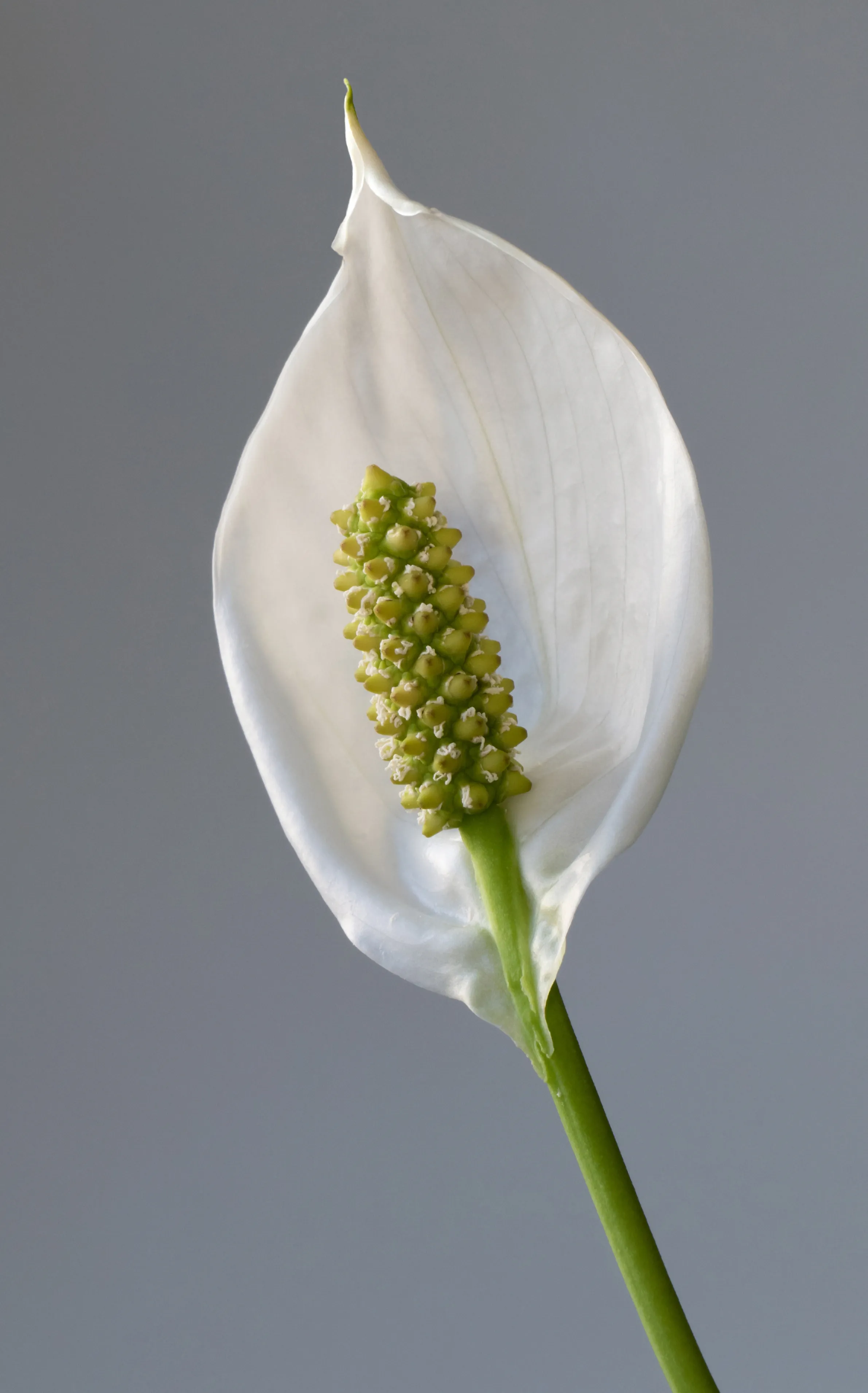
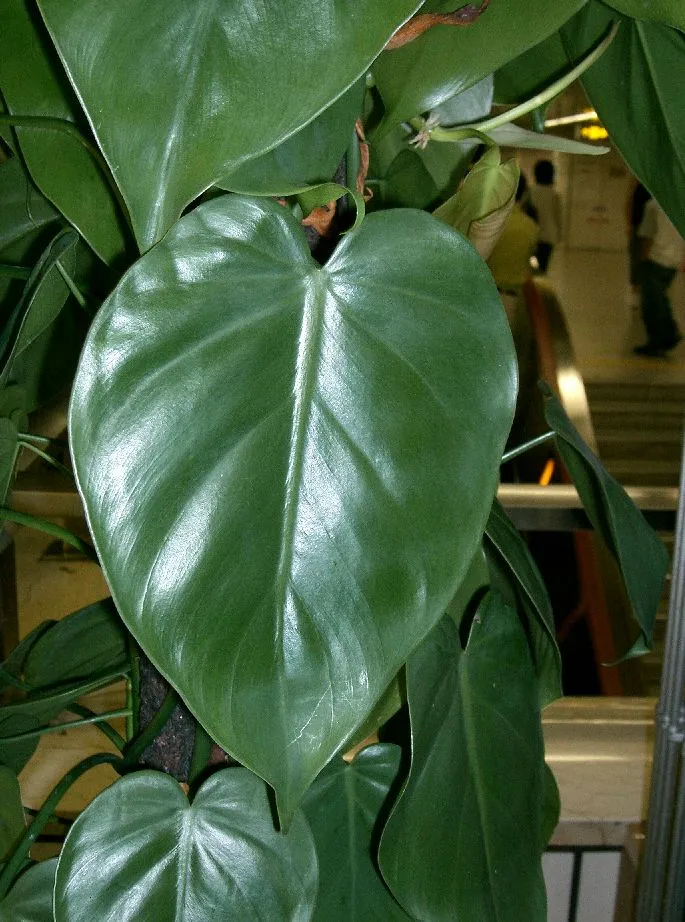
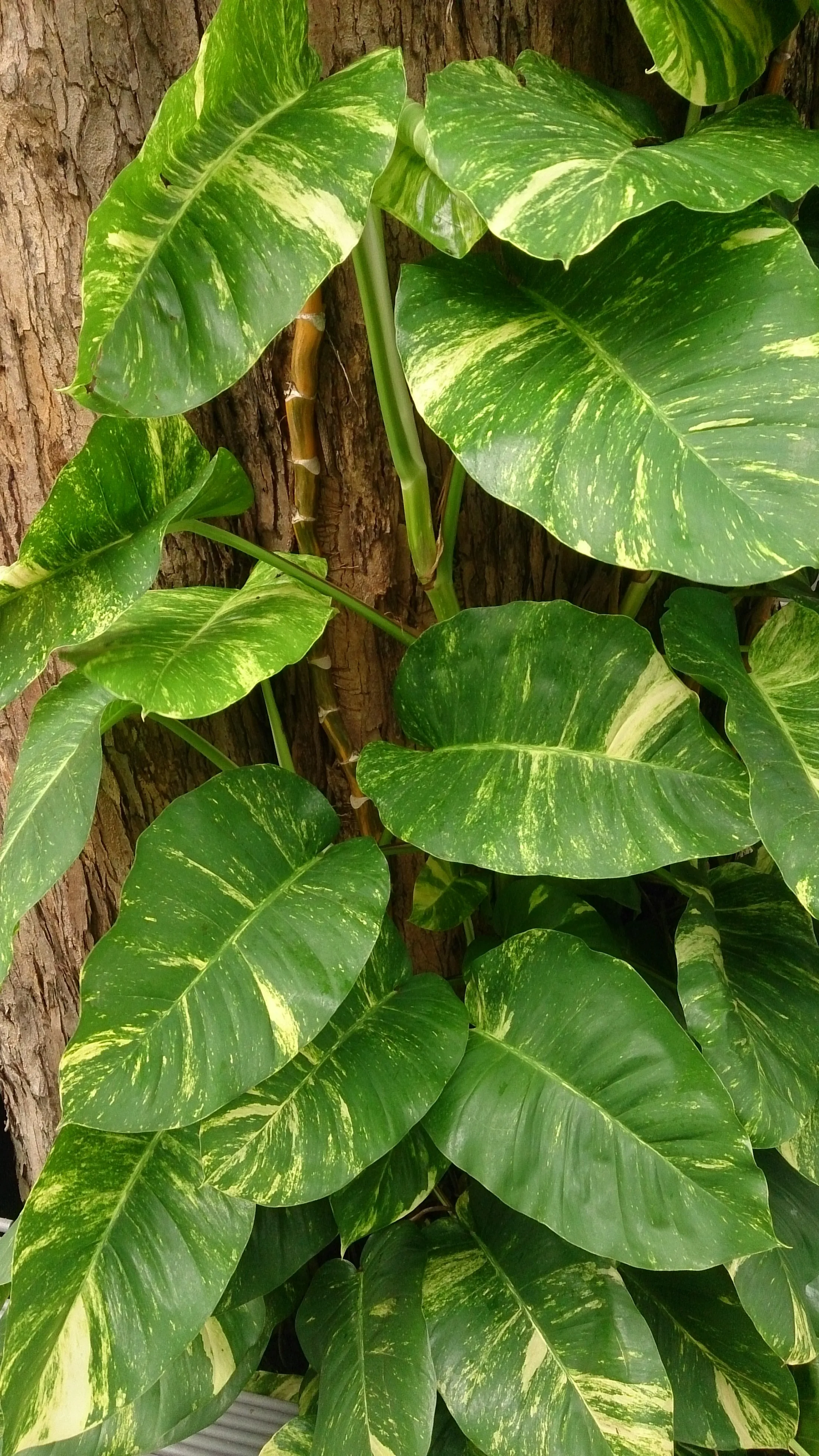
Growing More Monstera Deliciosa
Monstera Deliciosa can be propagated by stem cuttings or water rooting. Step-by-step guides with the biology explained:
Troubleshooting Monstera Deliciosa
If your Monstera Deliciosa is showing yellow leaves, brown tips, drooping, root rot, leggy growth, or signs of pests — the troubleshooting hub has biology-first diagnosis guides for every common problem.
Go to troubleshooting hubDiscover the spiritual side of Monstera Deliciosa
Monstera Deliciosa resonates with Wood energy, the Heart (Anahata) chakra, and is ruled by Jupiter. Explore the full energetic profile, ideal placement, and spiritual properties in the Mist collection.
View Energy Profile