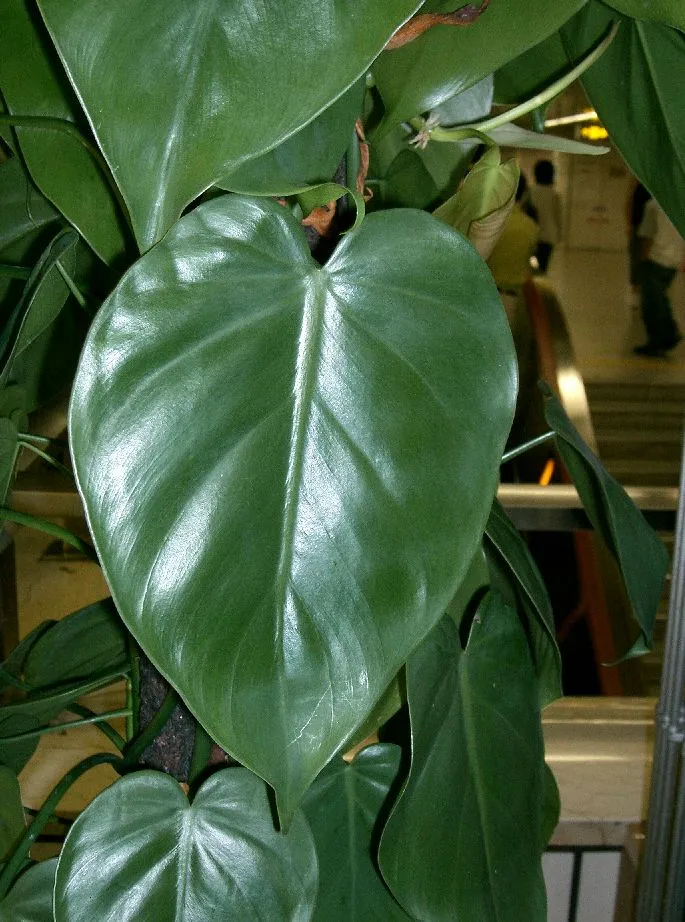
Heartleaf Philodendron
Philodendron hederaceum
Complete care guide and energetic profile for Philodendron hederaceum — the fast-growing, trailing heartleaf philodendron.
Medium indirect
Weekly, let top inch dry
40-60%
16-27°C
The Heartleaf Philodendron is one of the most popular and reliable houseplants in cultivation. Philodendron hederaceum produces trailing vines of glossy, heart-shaped leaves that can grow several metres long when left to cascade from a shelf or hanging planter. Alternatively, trained up a moss pole it transforms into a climbing specimen with progressively larger leaves. Native to the tropical rainforests of Central America and the Caribbean, this plant has been a staple of indoor gardening since the mid-twentieth century.
Light Requirements
As an aroid that evolved as an understory plant — growing on the forest floor and climbing tree trunks for better light — Heartleaf Philodendron is adapted to dappled, indirect light. It performs best in medium to bright indirect light and tolerates low light better than most aroids, though growth slows and leaves become smaller and more widely spaced on the vine in dim conditions. Avoid direct sunlight, which yellows and scorches the thin leaves.
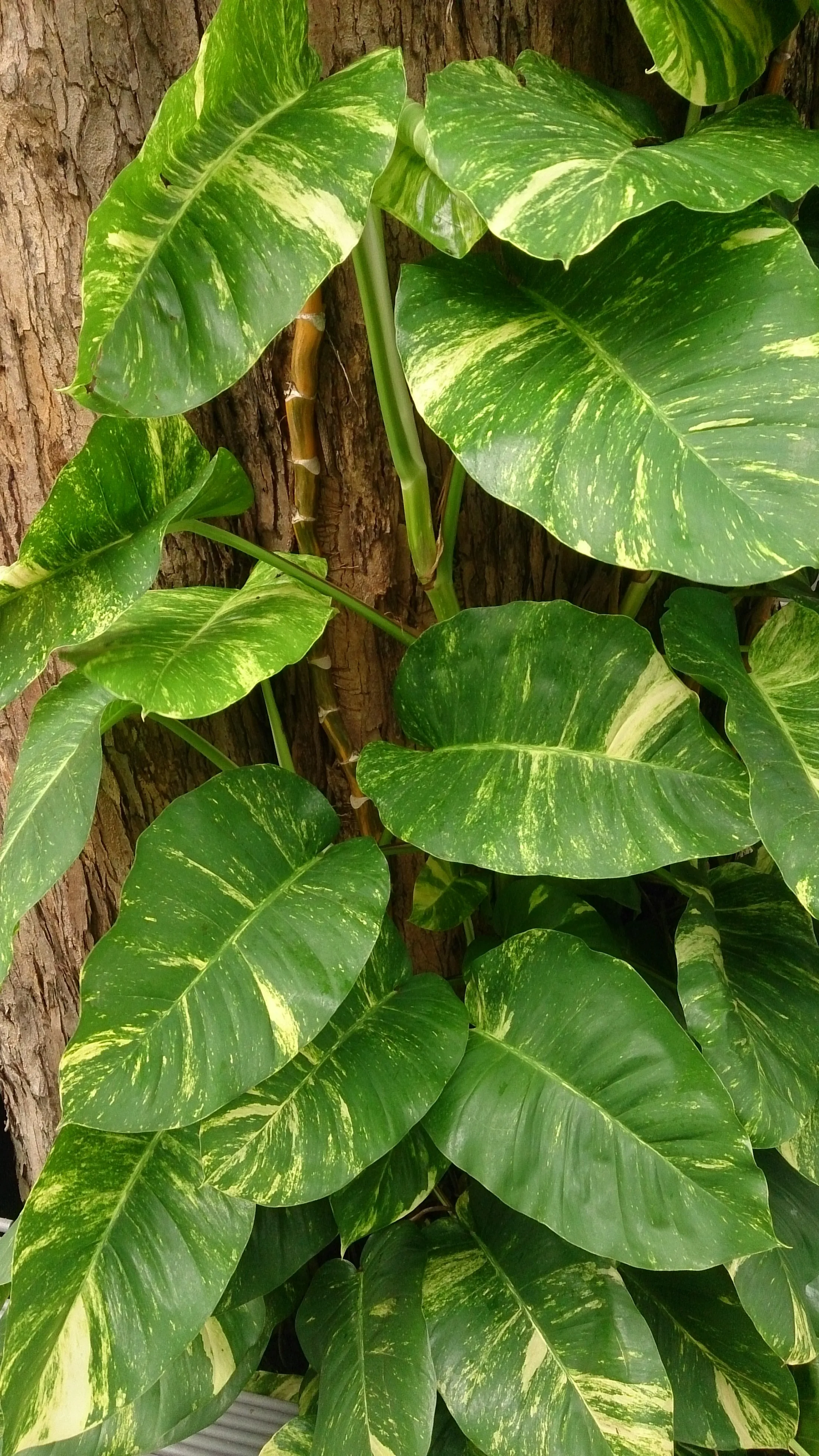
The ‘Brasil’ cultivar (green with lime-yellow streaks) carries less chlorophyll in its variegated tissue than the solid green form. Since chlorophyll is what captures light for photosynthesis, less chlorophyll means less photosynthetic capacity — and the plant needs brighter conditions to produce enough energy to sustain itself and maintain the variegation.
Watering
Heartleaf Philodendron belongs to the aroid family, whose ancestors evolved in lowland tropical environments that flooded frequently. Over generations, these plants developed thick, waxy roots capable of resisting rapid water saturation — which is exactly why philodendrons root so readily in a glass of water, and why cuttings can thrive in water long-term. The same evolutionary traits that make water-rooting easy also explain why soil needs to be chunky and aerated: the roots need oxygen, and dense, soggy soil suffocates them.
Water when the top inch of soil feels dry. Overwatering shows as yellowing on lower leaves; underwatering causes wilting and brown, crispy edges. Use room-temperature water and ensure the pot drains freely.
Humidity and Temperature
Heartleaf Philodendrons appreciate humidity between forty and sixty per cent but cope well with average household conditions. In very dry winter air, slightly smaller new leaves or occasional brown edges are common — a pebble tray helps. Keep the plant between 16 and 27 degrees Celsius. Growth is fastest in warm, humid conditions — spring and summer are the most active periods.
Feeding and Soil
Feed every two to four weeks in spring and summer at half strength. Reduce to monthly in autumn, stop in winter. Over-fertilising causes salt buildup that shows as brown leaf tips. The ideal mix is two parts peat-free compost to one part perlite; for climbing specimens, add a handful of orchid bark to increase aeration around the aerial roots. Repot every one to two years in spring. Trimming trailing vines encourages branching, and cuttings root easily in water.
A Note on Toxicity
Heartleaf Philodendron contains calcium oxalate crystal raphides — microscopic, needle-like fibres embedded throughout its leaf tissue. If chewed or ingested, these crystals physically puncture the soft tissue of the mouth, throat, and digestive tract, causing severe irritation, swelling, drooling, and vomiting. Keep away from pets and children who may chew the leaves.
Common Issues
- Yellow leaves on lower stems — Overwatering. Let soil dry out more between waterings.
- Leggy growth with small leaves — Insufficient light.
- Brown, dry leaf tips — Low humidity or over-fertilisation. Increase humidity and flush the soil.
- Wilting despite moist soil — Possible root rot. Unpot, inspect roots, trim brown mushy sections.
- Loss of variegation (Brasil) — Needs more light.
- Fungus gnats — Consistently moist soil. Allow the top layer to dry more and use sticky traps.
The Heartleaf Philodendron is an ideal gateway plant for new gardeners and a reliable performer for experienced collectors — rapid growth, flexible display options, and a biology that forgives the occasional lapse.
Growing More Heartleaf Philodendron
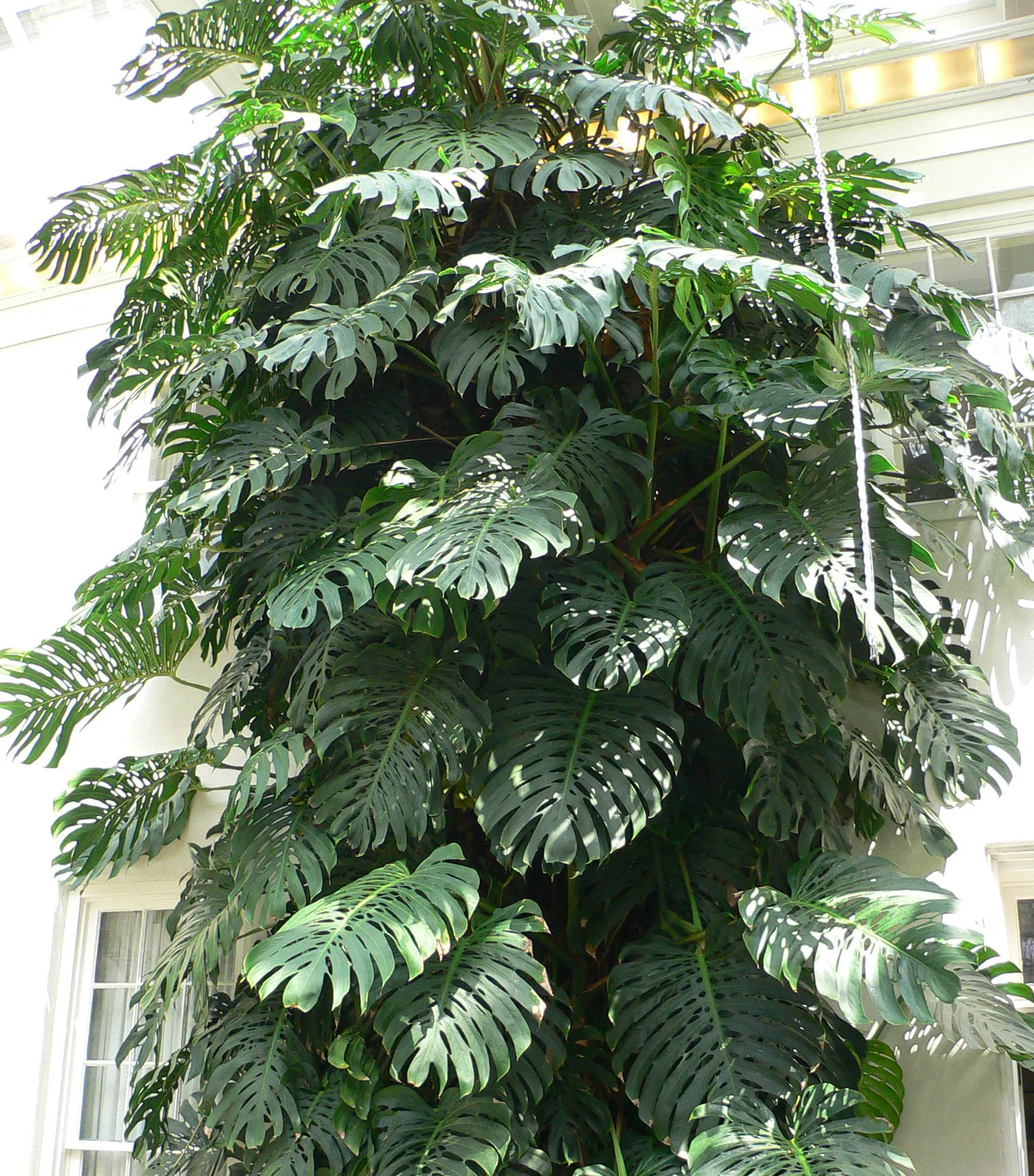
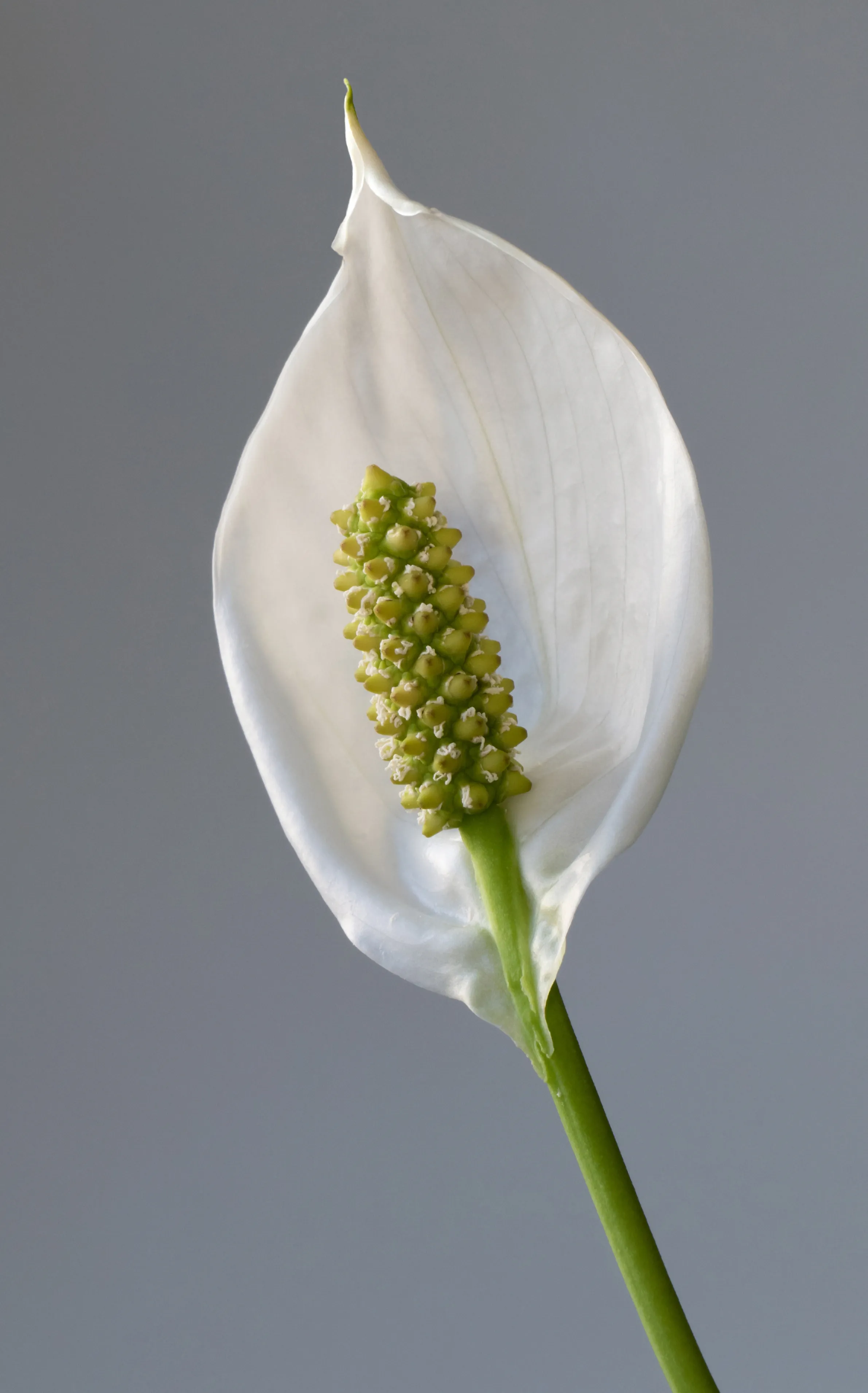
Heartleaf Philodendron can be propagated by stem cuttings or water rooting. Step-by-step guides with the biology explained:
Troubleshooting Heartleaf Philodendron
If your Heartleaf Philodendron is showing yellow leaves, brown tips, drooping, root rot, leggy growth, or signs of pests — the troubleshooting hub has biology-first diagnosis guides for every common problem.
Go to troubleshooting hubDiscover the spiritual side of Heartleaf Philodendron
Heartleaf Philodendron resonates with Fire energy, the Solar Plexus (Manipura) chakra, and is ruled by Mars. Explore the full energetic profile, ideal placement, and spiritual properties in the Mist collection.
View Energy Profile