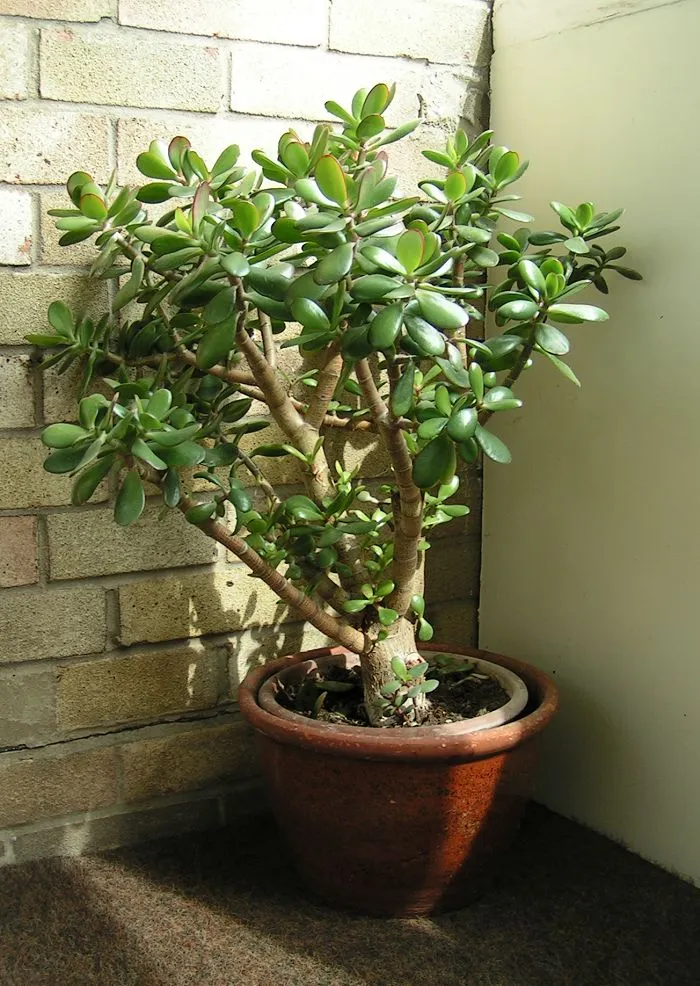
Jade Plant
Crassula ovata
Complete care guide and energetic profile for Crassula ovata — the long-lived, tree-forming jade plant.
Bright direct to bright indirect
Every 2-3 weeks, let soil dry completely
Low to average (30-50%)
12-27°C
The Jade Plant is one of the most enduring and symbolically rich houseplants in cultivation. Crassula ovata is a succulent native to the rocky hillsides of South Africa and Mozambique, where it grows into a sturdy shrub with a thick, woody trunk and plump, oval leaves that gleam like polished jade. Indoors it can live for decades — even generations — slowly developing a bonsai-like tree form that improves with age. In many cultures, particularly across East Asia, the jade plant is considered a powerful symbol of good fortune, prosperity, and enduring friendship, often given as a housewarming or business-opening gift.
Light Requirements
Jade plants need four to six hours of direct or bright indirect sunlight each day. A south- or west-facing windowsill is ideal. In good light, the leaf edges develop an attractive reddish tinge — a stress response to UV intensity that is harmless and often considered desirable. The stems grow thick and compact.
In insufficient light, the stems elongate and the leaves space out as the plant reaches toward the source. The characteristic dense, tree-like silhouette is a product of good light over time; poor light produces a stretched, untidy form. Transition gradually from dim conditions to brighter ones over a week or two to avoid leaf scorch.
Watering
Like aloe, Jade Plant is a CAM-photosynthesis succulent — it stores water in its fleshy leaves and woody trunk and is genuinely drought-tolerant. The roots evolved in fast-draining, rocky South African soils and are not adapted to sustained moisture. When the soil stays wet for extended periods, the root pores fill with water instead of air, cutting off oxygen and inviting the same fungal pathogens — Pythium and Phytophthora — that destroy aloe roots.
Allow the soil to dry out completely between waterings: every two to three weeks in the growing season, once a month or less in winter. Soak the soil thoroughly, then let it drain completely. Leaves becoming soft and translucent are a warning sign of overwater stress. Wrinkled or slightly concave leaves that are still firm mean the plant is ready for a drink. In winter dormancy, err heavily on the side of underwatering.
Humidity and Temperature
Jade plants are at home in the dry air of most households — no supplemental humidity required. High humidity combined with poor air circulation can invite fungal issues. The preferred range is thirty to fifty per cent.
Temperature range is broad: 12 to 27 degrees Celsius. Here’s something worth knowing about jade flowers: the small, star-shaped white or pink blooms that appear on mature plants are triggered by a cool, dry winter rest period. The plant requires a combination of lower temperatures (around 12 to 15 degrees at night) and shorter day lengths to initiate the shift from vegetative growth to flowering — the same environmental cues that signal winter in its native South African habitat. Plants that are kept consistently warm and well-lit year-round rarely flower. If you want blooms, give the plant a cooler, drier winter.
Feeding and Soil
Feed once every two months during the growing season with a cactus and succulent fertiliser at half strength. Do not feed in autumn or winter. Over-fertilising produces soft, weak growth. The potting mix must be very free-draining: equal parts peat-free compost, perlite, and coarse sand. Terracotta pots are ideal — their porous walls actively wick moisture away, helping the soil dry faster between waterings. Jade plants have a modest root system for their size; a container just slightly wider than the root ball prevents excess moisture retention. Repot every two to three years or when the plant becomes top-heavy.
Common Issues
- Soft, mushy leaves — Overwatering. Reduce watering immediately and check roots for rot.
- Leaf drop — Sudden temperature changes, draughts, overwatering, or severe underwatering. Identify and address the cause.
- Stretched, leggy growth — Insufficient light.
- White powdery spots on leaves — Powdery mildew from poor air circulation and high humidity. Improve ventilation.
- Mealybugs — Hide in leaf joints and under leaves. Treat with rubbing alcohol on a cotton swab or neem oil.
- Black spots on leaves — Sunburn if sudden; fungal infection if spreading. Assess context and adjust.
The Jade Plant rewards patience above almost anything else. Slow and long-lived, a well-kept specimen develops real character over years — thicker trunk, more complex branching, and eventually, if conditions are right, those rare and beautiful flowers.
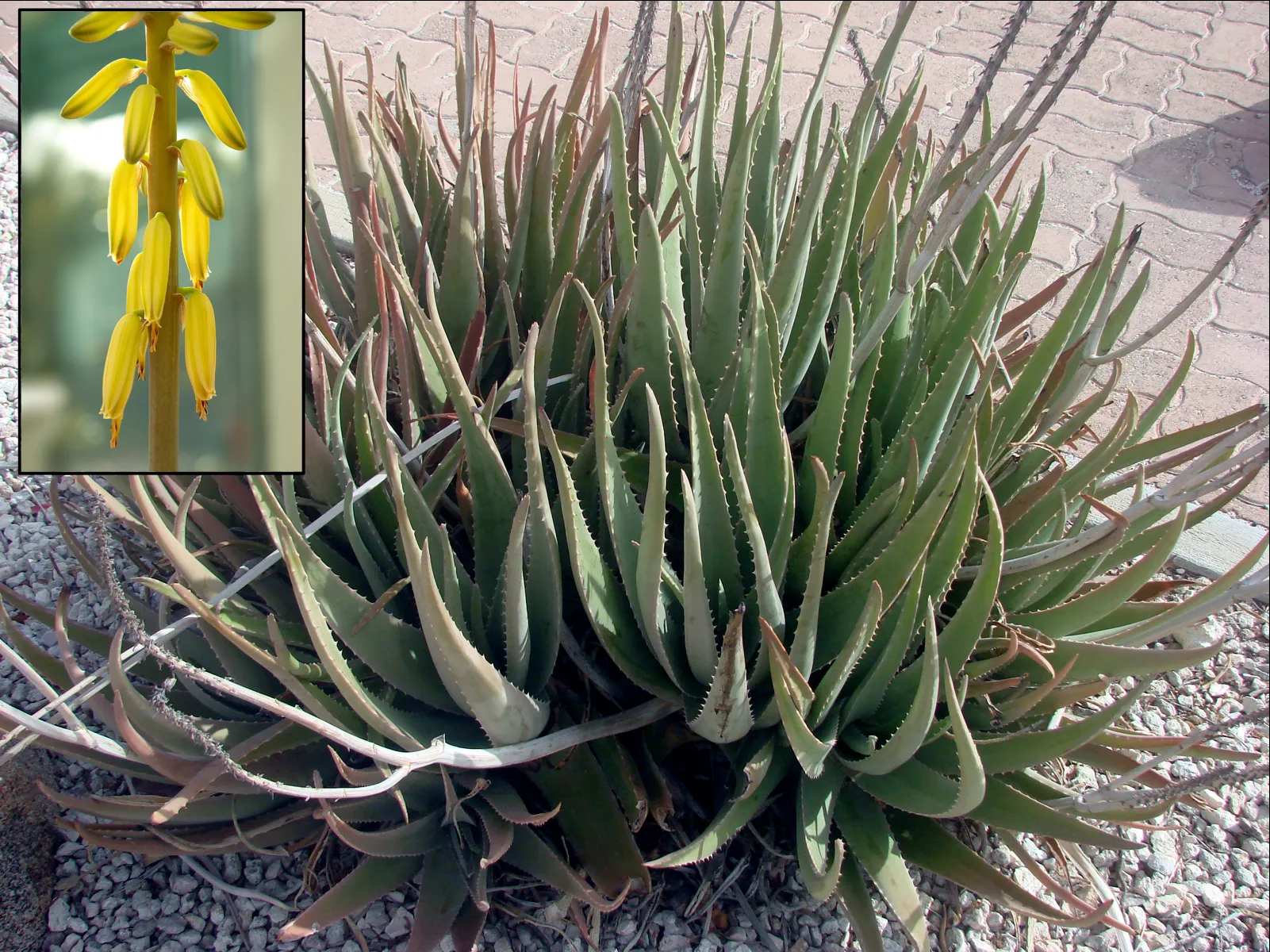
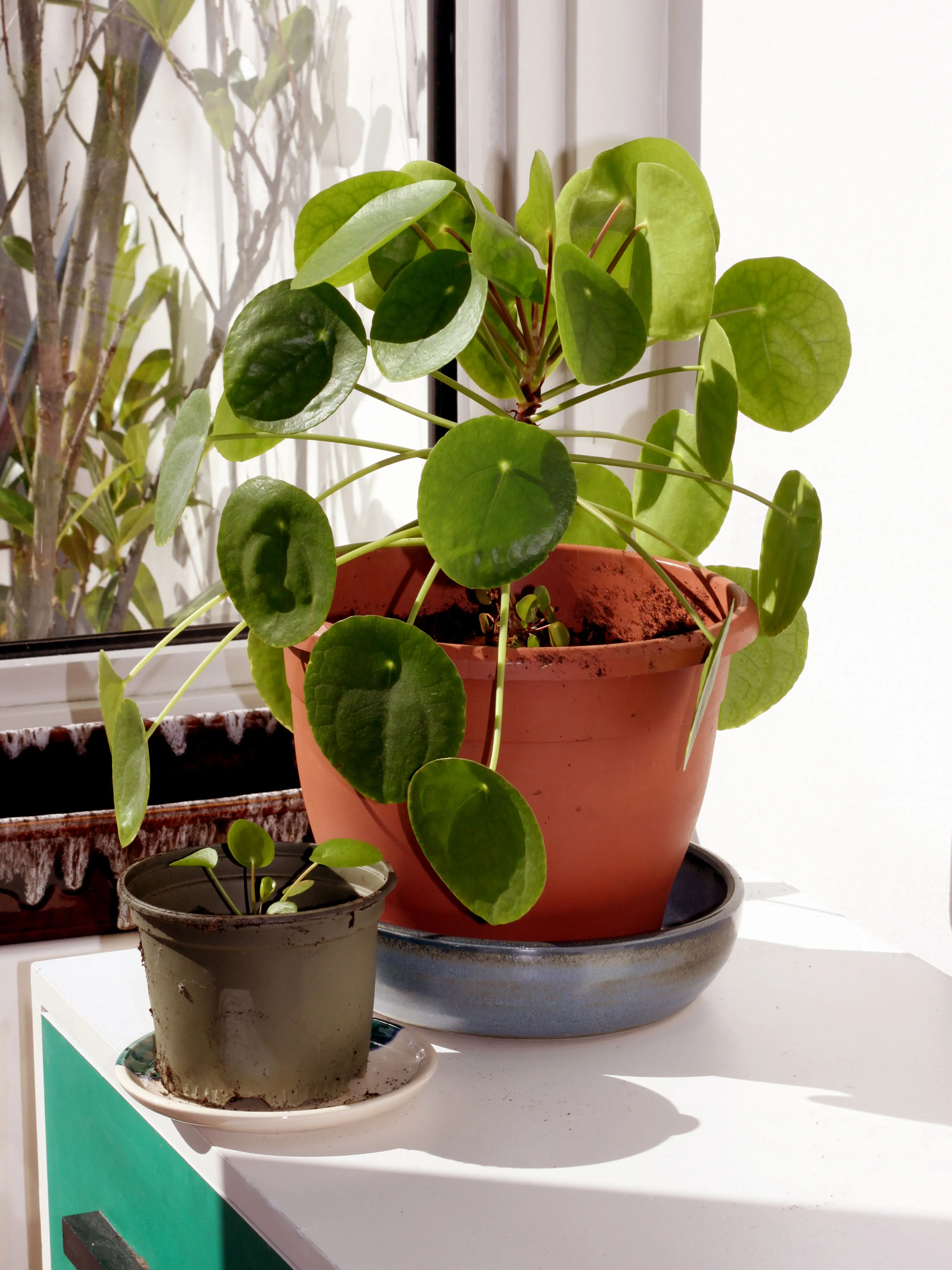
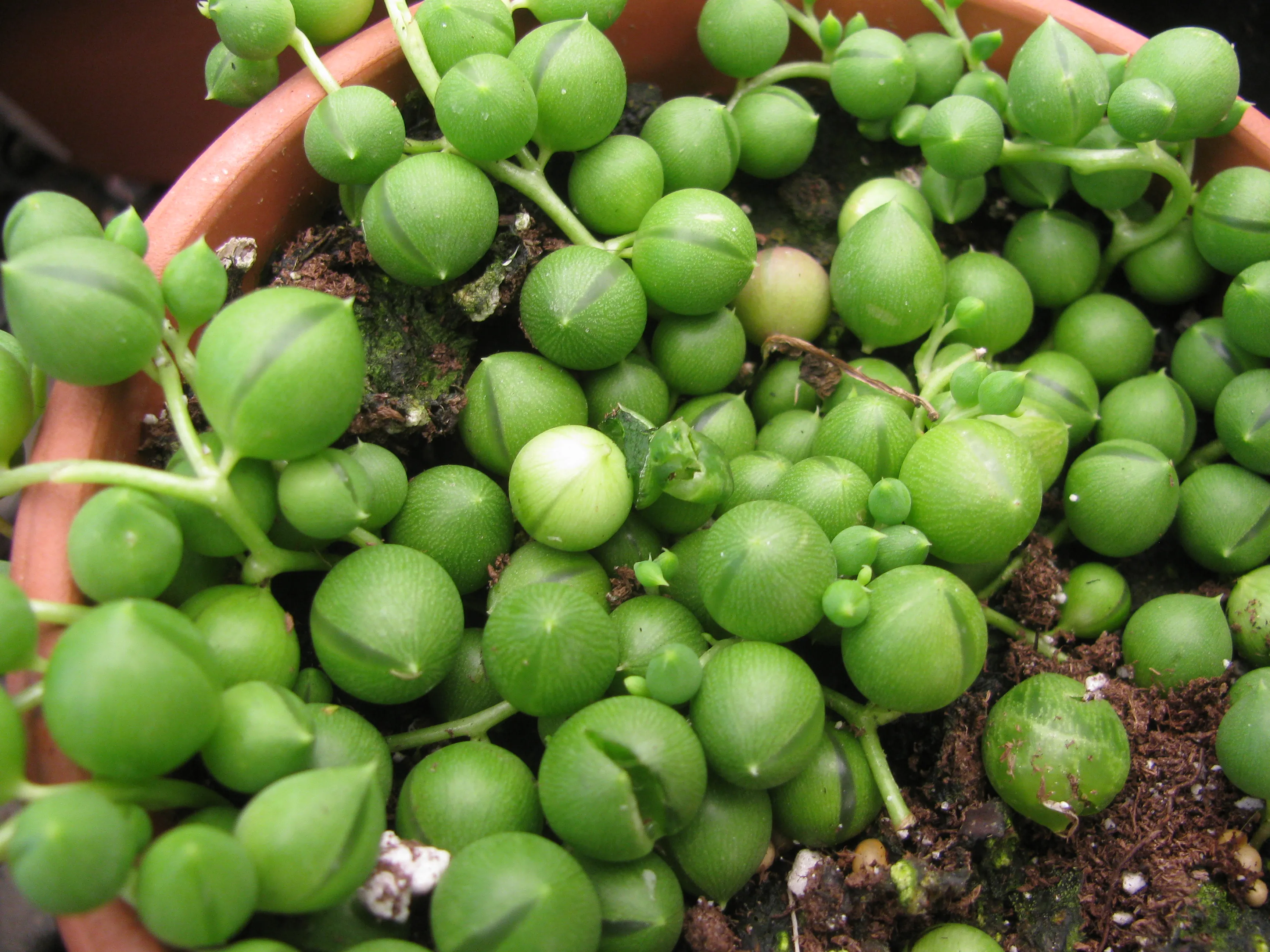
Growing More Jade Plant
Jade Plant can be propagated by stem cuttings or leaf propagation. Step-by-step guides with the biology explained:
Troubleshooting Jade Plant
If your Jade Plant is showing yellow leaves, brown tips, drooping, root rot, leggy growth, or signs of pests — the troubleshooting hub has biology-first diagnosis guides for every common problem.
Go to troubleshooting hubDiscover the spiritual side of Jade Plant
Jade Plant resonates with Earth energy, the Heart (Anahata) chakra, and is ruled by Jupiter. Explore the full energetic profile, ideal placement, and spiritual properties in the Mist collection.
View Energy Profile