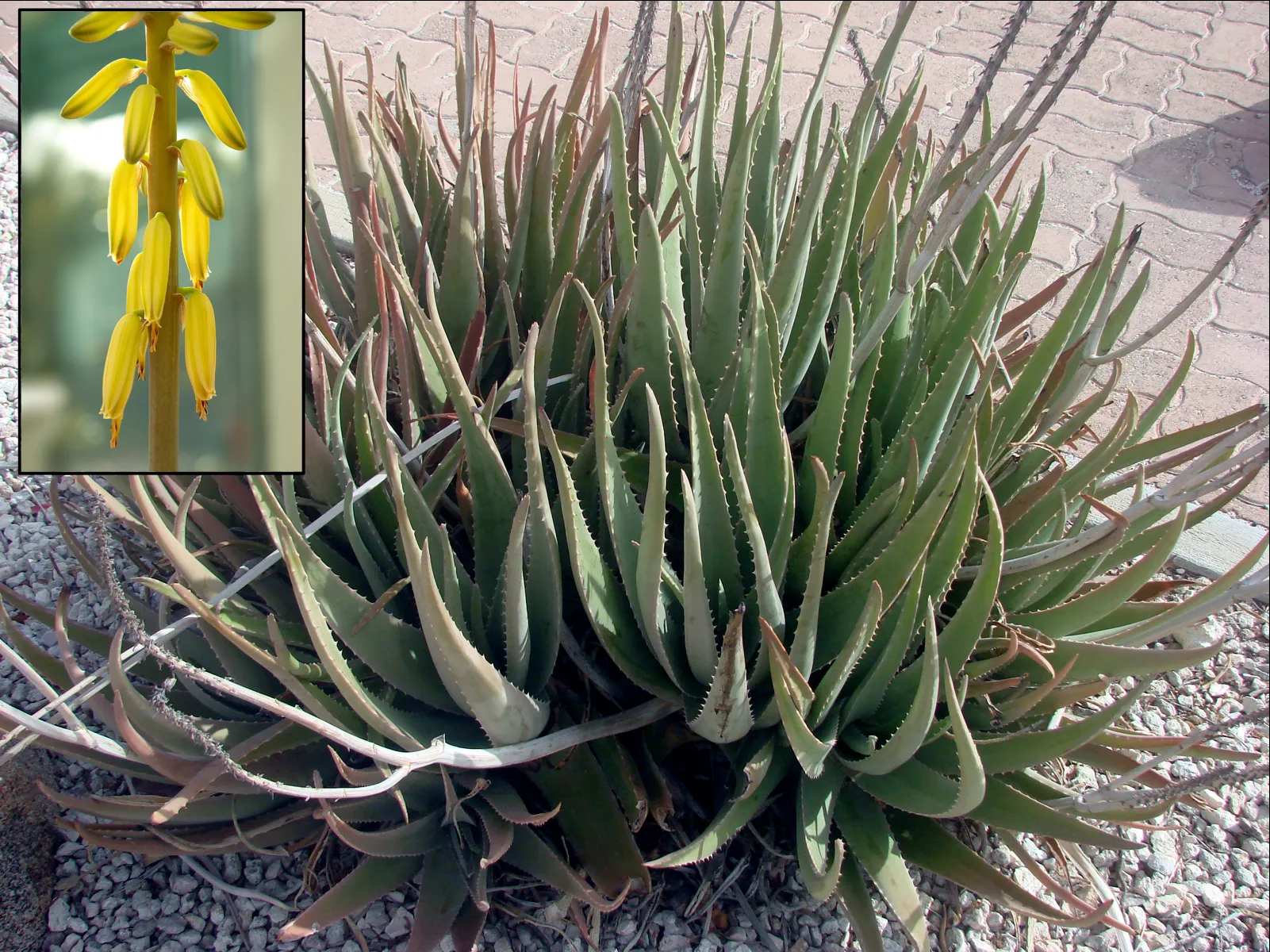
Aloe Vera
Aloe barbadensis
Complete care guide and energetic profile for Aloe barbadensis — the medicinal succulent with soothing gel.
Bright direct to bright indirect
Every 2-3 weeks, let soil dry completely
Low (30-40%)
13-27°C
Aloe Vera is arguably the world’s most recognised succulent, cultivated for thousands of years across Africa, the Mediterranean, and Asia for its medicinal gel. The thick, fleshy leaves contain a clear, soothing gel — a biological water reservoir the plant evolved to survive prolonged drought. As a houseplant, Aloe barbadensis is straightforward to grow and endlessly practical — a living first aid kit on your windowsill. It forms neat rosettes of upright, lance-shaped leaves edged with small, soft teeth, and mature plants regularly produce offsets (pups) that can be separated and shared.
Light Requirements
Aloe Vera is a desert plant from arid Africa, and its biology reflects that. It needs genuine brightness — ideally 400 to 800 foot-candles, which translates to a spot one to three feet from a south- or west-facing window. Several hours of direct sun each day is fine and natural for this plant.
What makes Aloe’s light requirement interesting is its photosynthesis mechanism. Aloe uses CAM photosynthesis (Crassulacean Acid Metabolism), a strategy shared with cacti and other succulents. Rather than opening its leaf pores during the heat of the day — which would cause rapid water loss — it keeps them tightly closed and opens them only at night to absorb carbon dioxide. That CO2 is stored as an organic acid overnight, then converted to energy once daylight returns. To complete that daily cycle, the plant genuinely needs strong light.
In low-light rooms, growth slows, the leaves may elongate and lose their characteristic firmness, and the gel production diminishes. If you’re moving an aloe from dim conditions to brighter light, do it gradually over a week or two — the leaf tissue hasn’t built UV tolerance and can scorch.
Watering
Aloe roots evolved in dry, sandy soils that drain in seconds after rain. The roots are adapted to brief saturation followed by complete drying — not sustained dampness. When the soil stays wet for too long, the pore spaces fill with water instead of air, cutting off the oxygen the root cells need to function. Once the roots are suffocating, water molds — particularly Pythium and Phytophthora — move in rapidly, attacking and decomposing the oxygen-starved tissue. Root rot in aloe is swift and largely irreversible once established.
Allow the soil to dry out completely between waterings. In spring and summer, every two to three weeks is typical; in winter, once a month or even less. Soak the soil thoroughly when you do water, then let it drain completely. Leaves that turn soft and watery at the base are a warning sign — by that point, root rot has likely already taken hold.
Underwatered aloe leaves become thin, slightly concave, and firmer than usual. The plant recovers quickly from drought; it does not recover quickly from rot.
Humidity and Temperature
Aloe Vera’s CAM photosynthesis means its stomata stay closed during the day, dramatically reducing water loss through the leaves. The result is a plant perfectly suited to the dry air found in most homes — no supplemental humidity required. High humidity combined with poor ventilation can actually encourage fungal issues.
Normal household conditions of thirty to forty per cent humidity are ideal. Temperature-wise, aloe tolerates a broad range from 13 to 27 degrees Celsius. Prolonged cold damages the water-filled leaf tissue. In summer, aloe plants benefit from being moved outdoors to a sunny, sheltered spot — bring them in before night temperatures drop below 10 degrees in autumn.
Feeding and Soil
Feed sparingly — once in spring and once in midsummer with a dilute cactus and succulent fertiliser. Over-fertilising produces soft, weak growth that looks lush but lacks the resilience of a properly lean specimen.
Terracotta pots are strongly recommended. The clay is porous, meaning it actively wicks moisture outward through the pot walls — the soil around the roots dries noticeably faster than in plastic or glazed ceramic. Paired with a very free-draining mix (equal parts peat-free compost, perlite, and coarse sand, or a ready-made cactus mix), this setup keeps the root zone dry enough between waterings to prevent the conditions that allow rot to start. A drainage hole is non-negotiable.
Repot every two to three years or when the plant becomes top-heavy. Separate offsets during repotting and let cut surfaces dry for a day before potting.
Common Issues
- Soft, mushy leaves — Overwatering and root rot. Reduce watering immediately, check roots, trim rotten tissue, and repot in dry mix.
- Brown, dry leaf tips — Underwatering or too much direct sun after a sudden location change.
- Flat, thin leaves — Dehydration. Water thoroughly and the leaves should plump up within a day or two.
- Elongated, stretching growth — Not enough light. Move to a sunnier position.
- Pups crowding the pot — A healthy sign. Remove offsets with a clean knife, let the cut callous for a day, and pot separately.
- Orange or reddish leaf colour — A stress response to intense sun or cold. Not harmful, but the plant is at the edge of its comfort zone.
Aloe Vera earns its place in any home twice over — as a visually satisfying architectural plant and as the most practical piece of first aid you can grow on a windowsill.
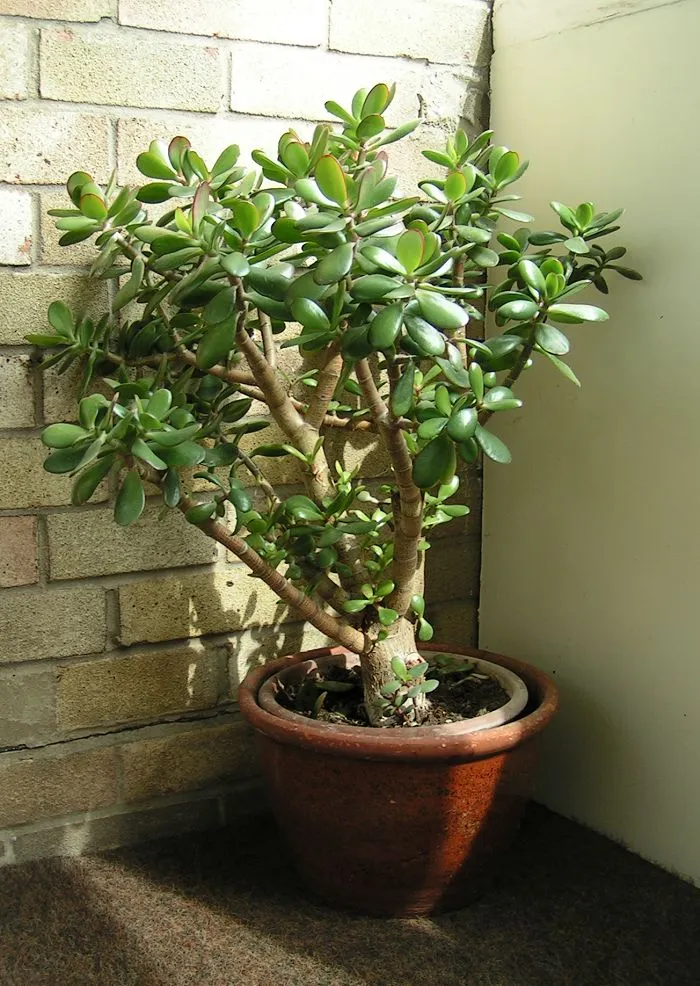
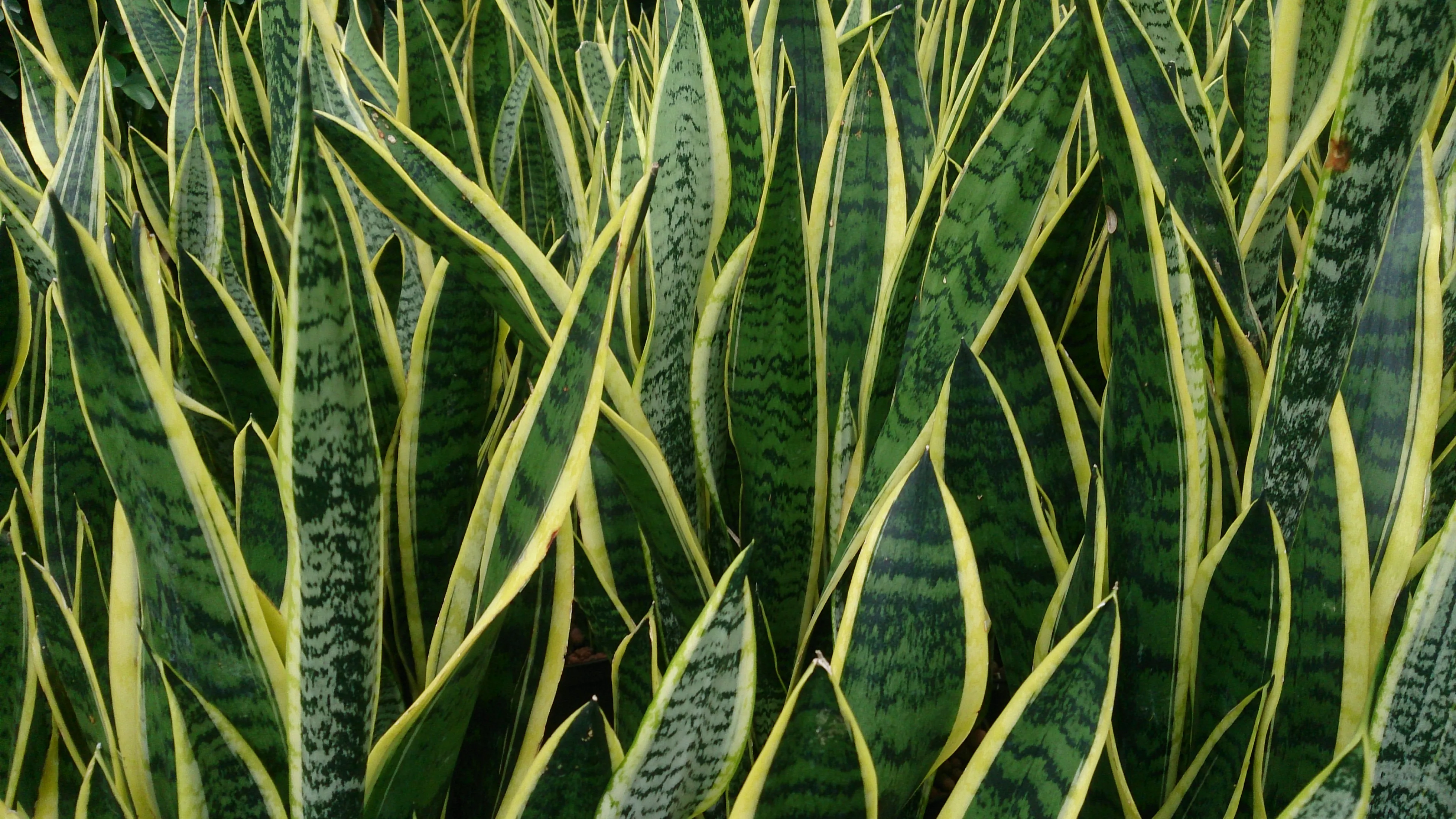
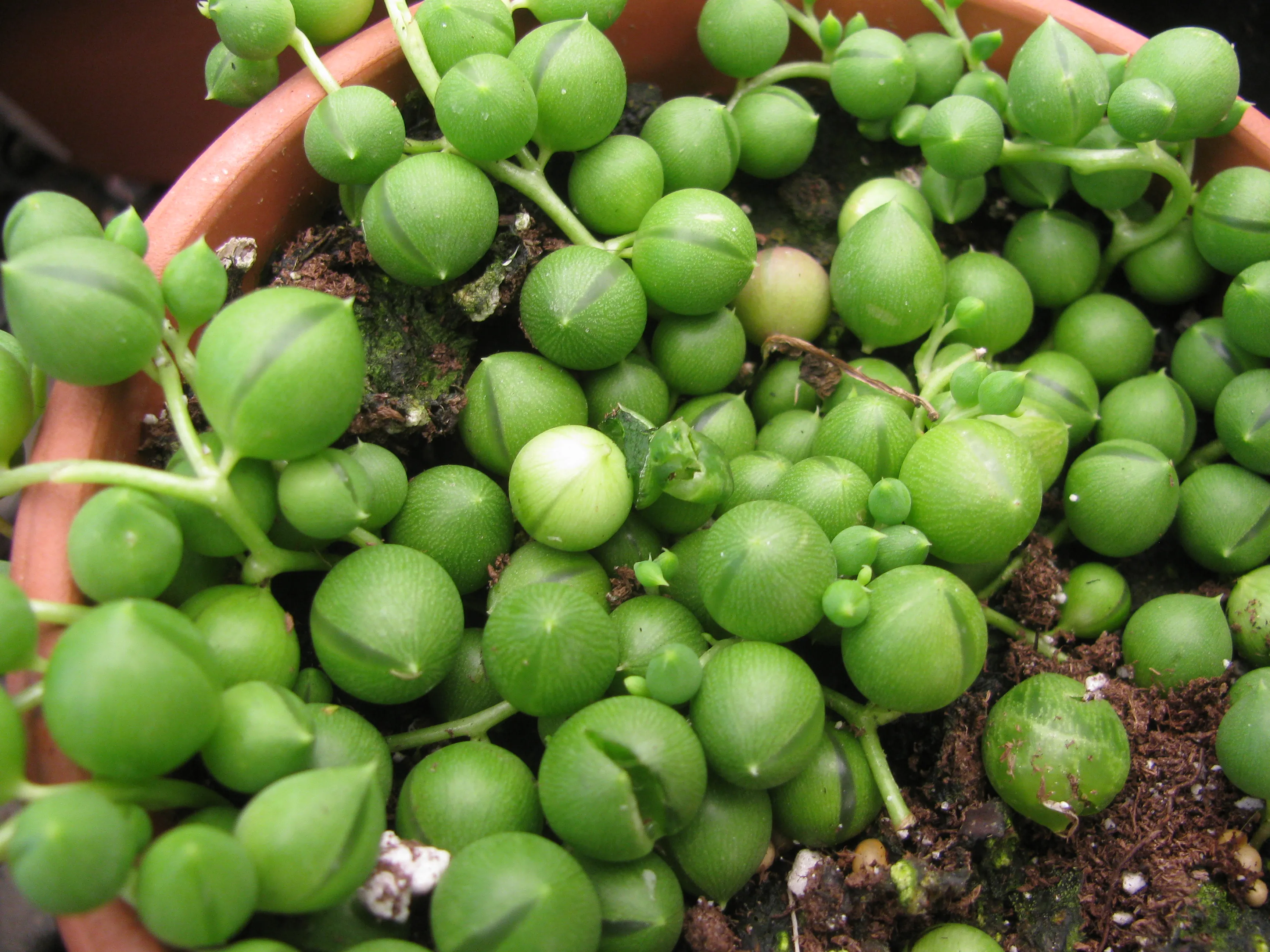
Growing More Aloe Vera
Aloe Vera can be propagated by offsets & pups. Step-by-step guides with the biology explained:
Troubleshooting Aloe Vera
If your Aloe Vera is showing yellow leaves, brown tips, drooping, root rot, leggy growth, or signs of pests — the troubleshooting hub has biology-first diagnosis guides for every common problem.
Go to troubleshooting hubDiscover the spiritual side of Aloe Vera
Aloe Vera resonates with Fire energy, the Solar Plexus (Manipura) chakra, and is ruled by Sun. Explore the full energetic profile, ideal placement, and spiritual properties in the Mist collection.
View Energy Profile