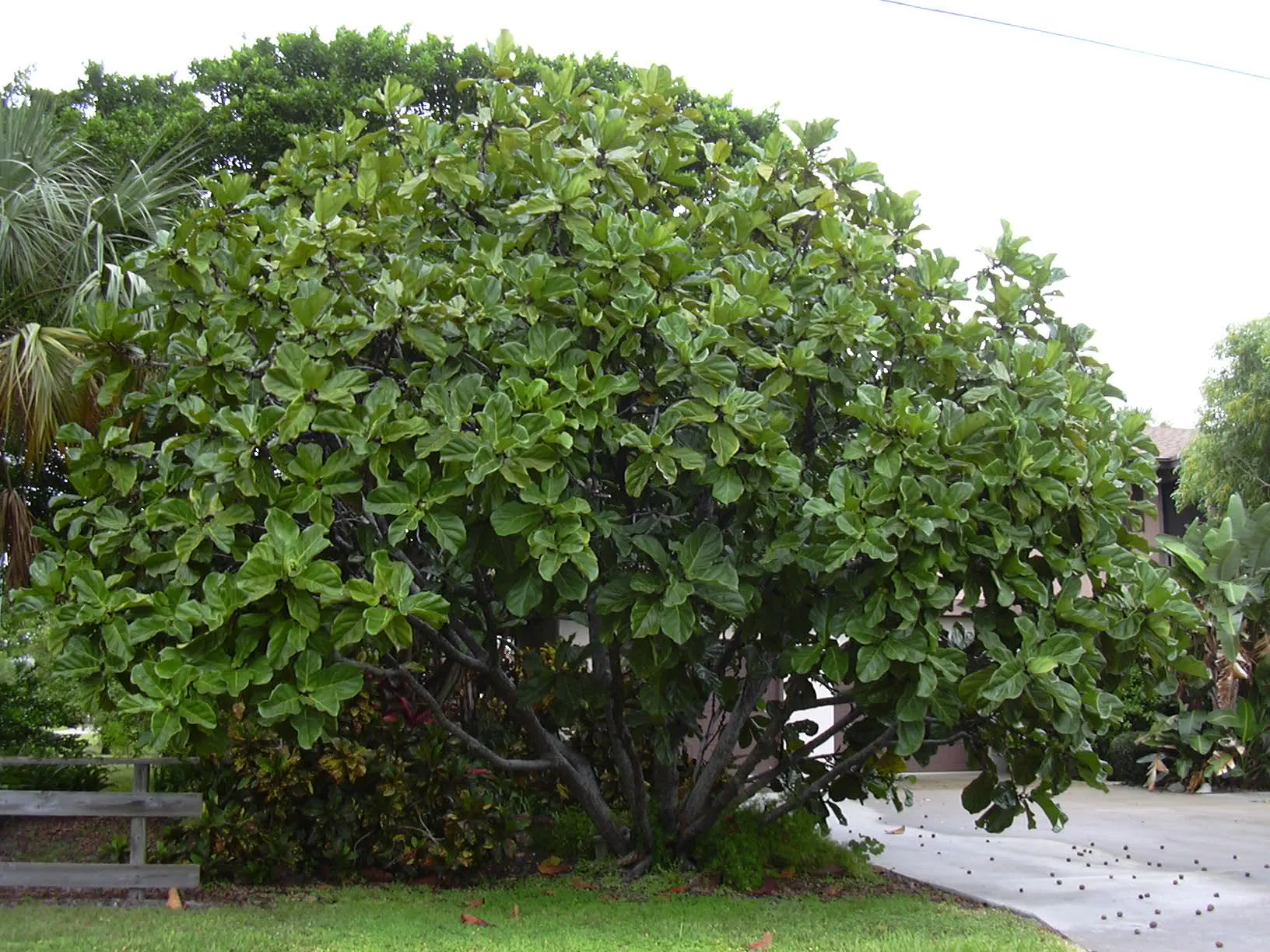
Fiddle Leaf Fig
Ficus lyrata
Complete care guide and energetic profile for Ficus lyrata — the statement-making indoor tree.
Bright indirect to bright
Weekly, allow top inch to dry
40-65%
16-27°C
The Fiddle Leaf Fig has earned its place as one of the most coveted indoor plants in modern homes. With its large, violin-shaped leaves and upright, tree-like form, Ficus lyrata brings bold architectural presence to any room. Native to the tropical rainforests of western Africa, where it grows as a towering canopy tree, it adapts well to indoor life when given one thing above all else: consistency.
Light Requirements
In its natural habitat, Ficus lyrata grows in the forest canopy — accustomed to strong, consistent light that barely changes from season to season. Indoors, it needs the equivalent: bright indirect light for six or more hours a day. An east-facing window is ideal. South- or west-facing windows work well with a sheer curtain to soften direct rays. In too little light the plant becomes leggy, drops lower leaves, and produces smaller, thinner foliage.
Rotate the pot a quarter turn every fortnight to ensure even growth and prevent the tree from leaning.
Watering
The symptom tells you the cause with fiddle leaf figs — but only if you know what to look for. Brown spots spreading from the centre of a leaf point to root rot: fungal or bacterial infection thriving in waterlogged, oxygen-starved soil. Brown at the leaf edges and tips points to underwatering, low humidity, or environmental stress. These are different problems requiring different responses, and treating one when you have the other makes things worse.
Water thoroughly when the top inch of soil feels dry — typically once a week in the growing season, every ten to fourteen days in winter. Pour slowly until water drains from the bottom, then empty the saucer. Use room-temperature water and keep your schedule as regular as possible — erratic watering is one of the most common causes of leaf drop.
Humidity and Temperature
Fiddle leaf figs prefer humidity between forty and sixty-five per cent. Below that, leaf edges begin to brown. A humidifier nearby, grouping plants together, or a pebble tray beneath the pot all help raise local humidity.
Temperature consistency matters as much as the range itself. Keep the plant between 16 and 27 degrees Celsius and away from draughty doors, air conditioning vents, and radiators. Ficus species are notorious for reacting badly to being moved — their leaves become adapted to the exact light levels and microclimate of their growing position. When relocated, the plant drops those now-inefficient leaves and expends energy growing new ones suited to the new conditions. Choose a permanent spot and leave it there.
Feeding and Soil
Feed every two to four weeks from spring through early autumn with a liquid fertiliser for foliage plants, diluted to half strength. Stop in winter. The ideal potting mix is rich yet free-draining: two parts peat-free houseplant compost, one part perlite, and a small amount of horticultural charcoal. Good drainage is essential — Ficus lyrata roots are highly susceptible to rot. Repot every two years, stepping up one pot size at a time.
Common Issues
- Brown spots in the centre of leaves — Root rot from overwatering. Check roots, reduce watering, improve drainage.
- Brown crispy edges — Underwatering or low humidity. Adjust accordingly.
- Leaf drop — Sudden environmental change: a move, temperature swing, or erratic watering. Keep conditions stable.
- Yellowing lower leaves — Natural as the plant matures, but widespread yellowing indicates overwatering.
- Mealybugs and spider mites — Check leaf joints and undersides regularly. Treat with neem oil or insecticidal soap at first sign.
- Dusty leaves — Large leaves accumulate dust that blocks light. Wipe both sides with a damp cloth monthly.
Given a consistent environment and appropriate light, a fiddle leaf fig can grow over two metres tall indoors — becoming a true living statement piece that improves with every year.
Growing More Fiddle Leaf Fig
Fiddle Leaf Fig can be propagated by stem cuttings. Step-by-step guides with the biology explained:
Troubleshooting Fiddle Leaf Fig
If your Fiddle Leaf Fig is showing yellow leaves, brown tips, drooping, root rot, leggy growth, or signs of pests — the troubleshooting hub has biology-first diagnosis guides for every common problem.
Go to troubleshooting hubDiscover the spiritual side of Fiddle Leaf Fig
Fiddle Leaf Fig resonates with Wood energy, the Heart (Anahata) chakra, and is ruled by Venus. Explore the full energetic profile, ideal placement, and spiritual properties in the Mist collection.
View Energy Profile