Rubber Plant
Ficus elastica
Complete care guide and energetic profile for Ficus elastica — the bold, glossy-leaved rubber plant.
Bright indirect
Every 1-2 weeks, let soil dry between waterings
40-60%
15-28°C
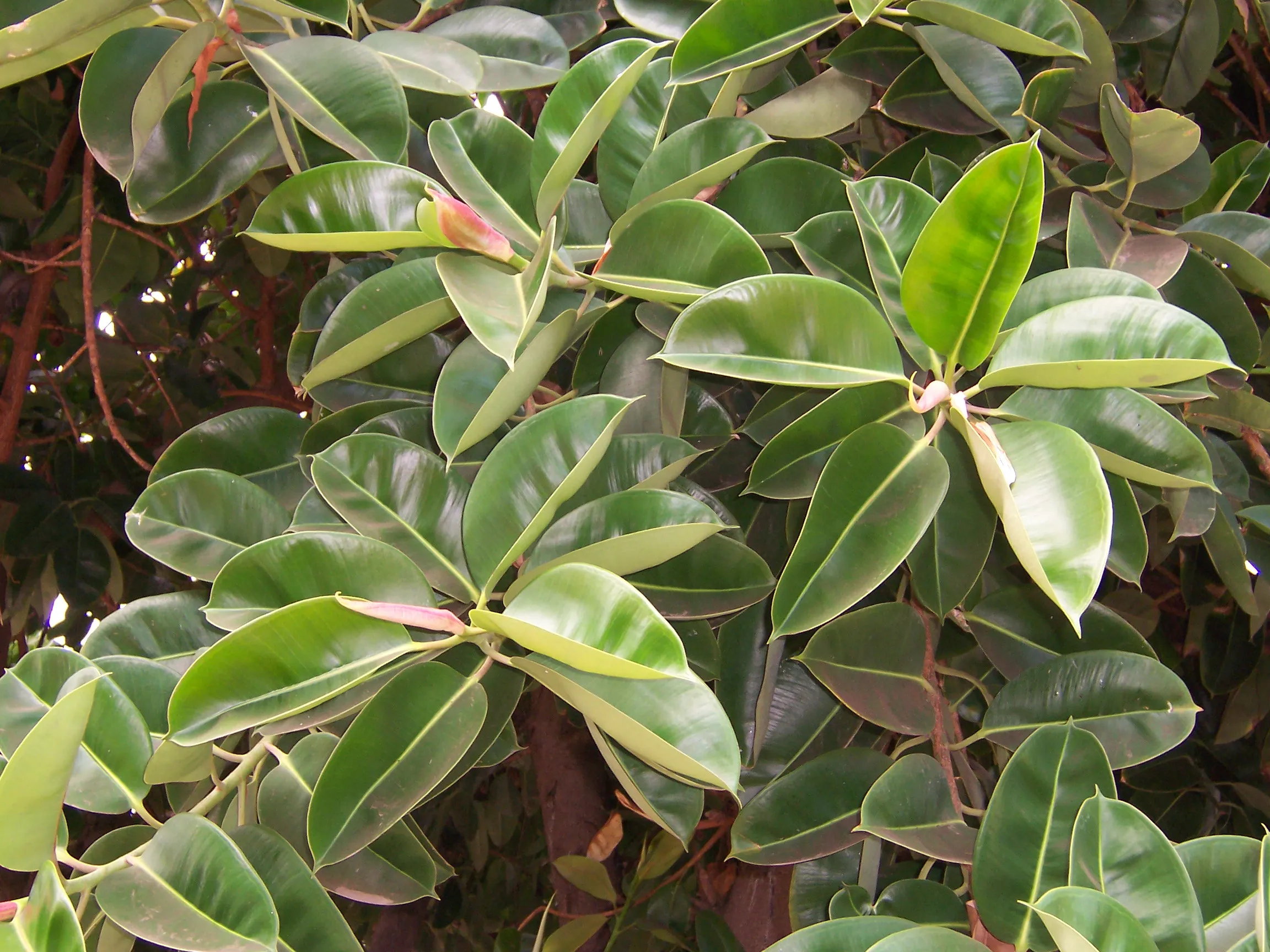
The Rubber Plant is a classic houseplant that has graced living rooms since the Victorian era and shows no signs of falling out of fashion. Ficus elastica hails from the tropical forests of Southeast Asia, where it grows into a massive banyan-type tree reaching over thirty metres. Indoors it remains a manageable, upright specimen, prized for its thick, glossy leaves that come in deep green, burgundy, variegated pink, and near-black cultivars. It is one of the most forgiving members of the Ficus family and an ideal first tree-form houseplant.
Light Requirements
Rubber plants perform best in bright indirect light. A spot near an east- or west-facing window where light is filtered is ideal. Darker-leaved cultivars like ‘Burgundy’ and ‘Abidjan’ can manage in lower light than variegated types — the reason is chlorophyll. Dark cultivars have dense, chlorophyll-rich leaf tissue that can extract enough energy from limited light. Variegated types like ‘Tineke’ and ‘Ruby’ have sections of leaf tissue with reduced chlorophyll, lowering their photosynthetic capacity — they need brighter conditions to compensate. Direct afternoon sun scorches the leaves; prolonged low light causes leggy growth with smaller leaves.
If the plant begins leaning, rotate regularly to maintain an even trunk.
Watering
Allow the top two to three inches of soil to dry out completely between waterings. Rubber plants store moisture in their thick, fleshy leaves and tolerate brief dry spells far better than wet feet. In spring and summer, watering every seven to ten days is typical; in winter, every two to three weeks. Drench the soil until water runs from the drainage holes, then empty the saucer. Overwatering leads to yellowing lower leaves and eventually root rot. Avoid getting water on the glossy leaf surface — mineral deposits from tap water leave visible spots.
Humidity and Temperature
Ficus elastica tolerates average household humidity between forty and sixty per cent without issue. In dry winter air, leaf edges may brown slightly — a pebble tray or occasional misting helps. Keep between 15 and 28 degrees Celsius.
Like all Ficus species, rubber plants dislike being moved. The leaves that are on the plant when you buy it are adapted to the exact light levels and microclimate of their growing position. Moving the plant into a different spot exposes those leaves to new light conditions they’re not suited to — the plant drops them and expends energy producing new ones suited to the new location. Choose a permanent position and leave it there. Rearranging frequently is one of the most common causes of unexplained leaf drop.
Pruning and Latex
When you prune a rubber plant, it produces a milky white latex sap at the cut. This is an evolutionary defence mechanism — originally to deter herbivores, and biologically it also functions to seal the wound. The sap can irritate skin and will permanently stain fabric. Wear gloves when pruning and lay down a cloth beneath the plant.
Feeding and Soil
Feed monthly during the growing season at half strength. No feeding in autumn or winter. The ideal mix is two parts peat-free compost, one part perlite, and a small amount of worm castings. Repot every two to three years, going up one pot size at a time — an oversized pot retains too much moisture.
Common Issues
- Dropping lower leaves — Some natural shedding is normal. Excessive loss points to overwatering, cold draughts, or relocation.
- Brown patches on leaves — Sunburn from direct light. Move to filtered brightness.
- Leggy, stretched growth — Insufficient light.
- Scale insects — Small brown shell-like bumps on midrib and stems. Scrape off and treat with neem oil.
- Leaf curling — Underwatering or very low humidity.
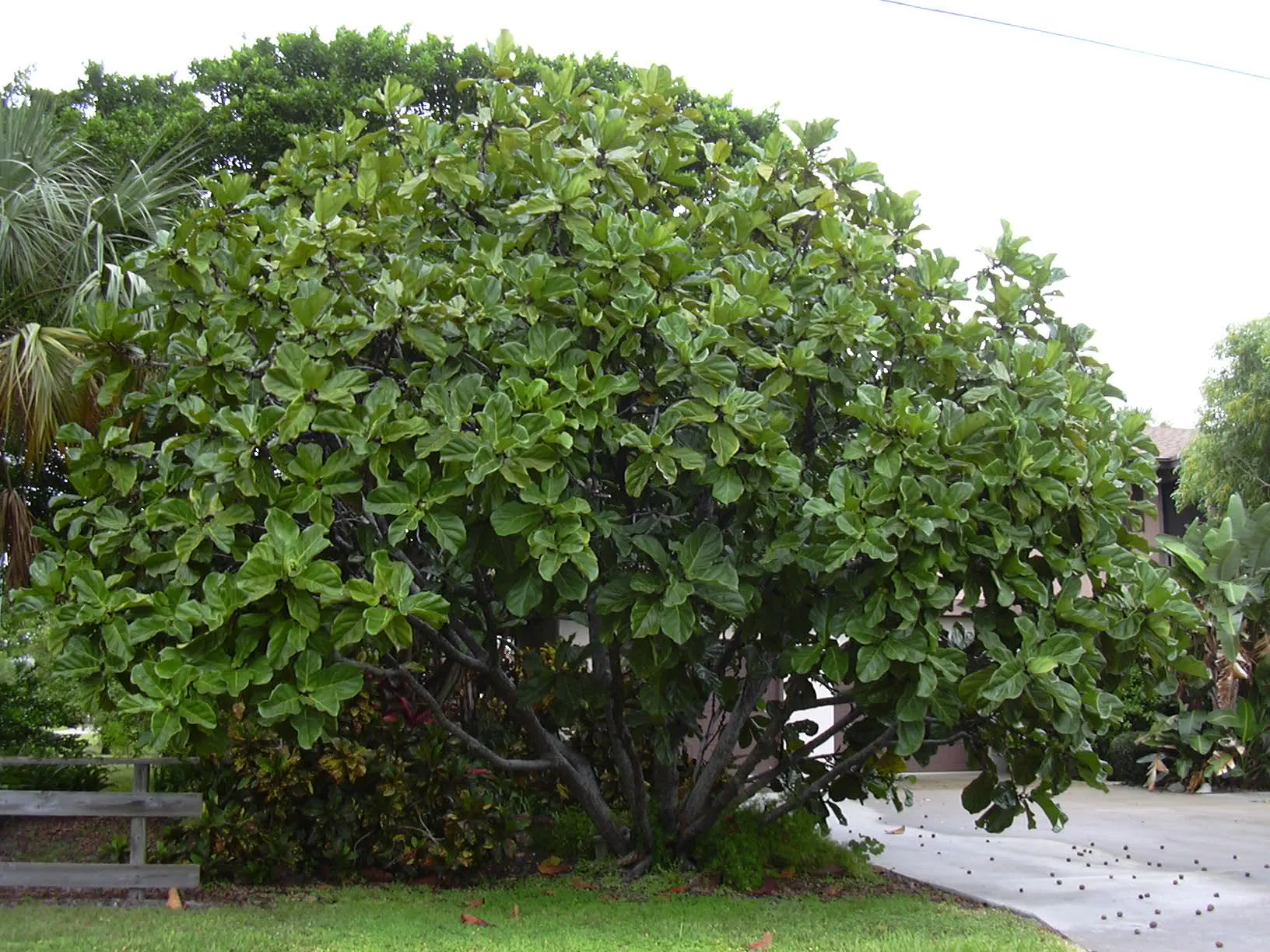
Sculptural, tolerant, and genuinely beautiful in its darker cultivars — the rubber plant delivers the look of an indoor tree without the high-maintenance reputation of the fiddle leaf fig.
Growing More Rubber Plant
Rubber Plant can be propagated by stem cuttings or water rooting. Step-by-step guides with the biology explained:
Troubleshooting Rubber Plant
If your Rubber Plant is showing yellow leaves, brown tips, drooping, root rot, leggy growth, or signs of pests — the troubleshooting hub has biology-first diagnosis guides for every common problem.
Go to troubleshooting hubDiscover the spiritual side of Rubber Plant
Rubber Plant resonates with Earth energy, the Root (Muladhara) chakra, and is ruled by Saturn. Explore the full energetic profile, ideal placement, and spiritual properties in the Mist collection.
View Energy Profile