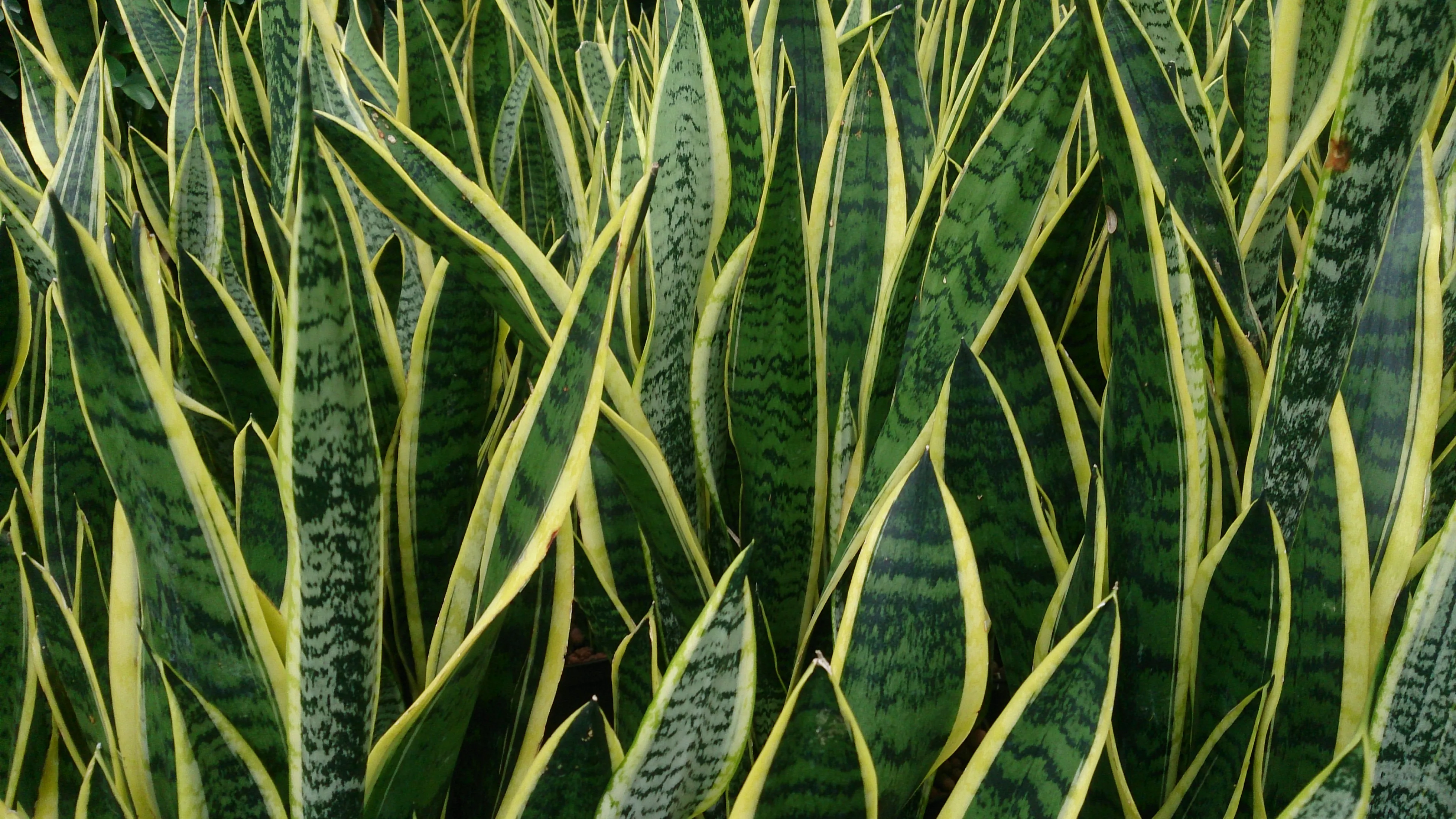
Snake Plant (Sansevieria)
The snake plant is one of the most protective presences you can bring into a home. Its upright, sword-like leaves are no coincidence — in many traditions this plant is placed at the entrance of a space precisely because it is believed to deflect negative energy before it can enter. Rooted deeply in fire and governed by Mars, it carries the energy of resilience and unwavering boundaries. Pair its presence with an intention of protection, and tend to it with the same quiet discipline it embodies.
Fire
Mars
Root (Muladhara)
Bedroom or entrance hall
Waning moon
Entrance or south-facing corner
Black Tourmaline
Black tourmaline is the primary protection stone in crystal work — it deflects and transmutes negative energy before it can settle in a space. Paired with the snake plant at an entrance or threshold, the two create a combined protective field that is both physical and energetic. Place a piece of raw tourmaline in the soil or on either side of the pot.
Explore crystals →On a waning moon — when energy is naturally moving toward release — walk slowly through your home from front to back, holding your attention on what you would like to clear: residual tension, old arguments, stagnant energy in unused corners. Pause at each doorway. The snake plant at the entrance is your first anchor. Return to it at the end of the walk and state clearly: this home is clear and well-protected. Mean it.
Sansevieria species are native to West Africa and have been planted at the thresholds of homes for generations to guard against malicious spirits and deflect ill intent from visitors. The stiff, upright leaves pointing skyward are considered a physical expression of the plants protective intent.
Espada de Sao Jorge — the sword of Saint George — is one of the most common names for the snake plant in Brazil, where it is deeply integrated into Candomble practice. It is associated with the orixas Ogum and Oxossi, deities of protection, iron, and the warrior path, and is placed at entrances to homes and terreiros to guard the space.
In Feng Shui, the snake plant is one of the few spiky-leaved plants considered acceptable indoors — generally sharp forms are avoided as they create sha chi (cutting energy). However, positioned at an entrance facing outward, the upright leaves are recognised as protective guardians that direct hostile energy away from the household.
There is a reason the snake plant appears in protective traditions across West Africa, Brazil, and East Asia. Its form makes the intention visible: those stiff, upright blades are not decorative — they are the shape of something that holds a boundary. Mars governs the will to protect, the instinct that says this far and no further. The root chakra is where that boundary-holding capacity is rooted — in a felt sense of safety, in the knowledge that your space is yours and that you have the right to define what enters it. The snake plant teaches this not through softness but through presence. It does not bloom extravagantly or cascade prettily; it simply stands, upright and unchanging, in whatever light is available. In a bedroom it is particularly powerful because of its CAM photosynthesis — it releases oxygen at night when other plants release carbon dioxide, making it a genuinely beneficial presence in sleeping spaces. But beyond the biological: the snake plant at the threshold of a bedroom carries the protective intention of every tradition that has placed it at a doorway. Use the waning moon to clear what you want gone and reinforce what you want to keep. Then let the snake plant hold the vigil while you sleep.
Science-led care for Snake Plant (Sansevieria)
Explore the evidence-based care guide — light requirements, watering schedule, humidity, soil mixes, and troubleshooting common problems.
Read the Care Guide